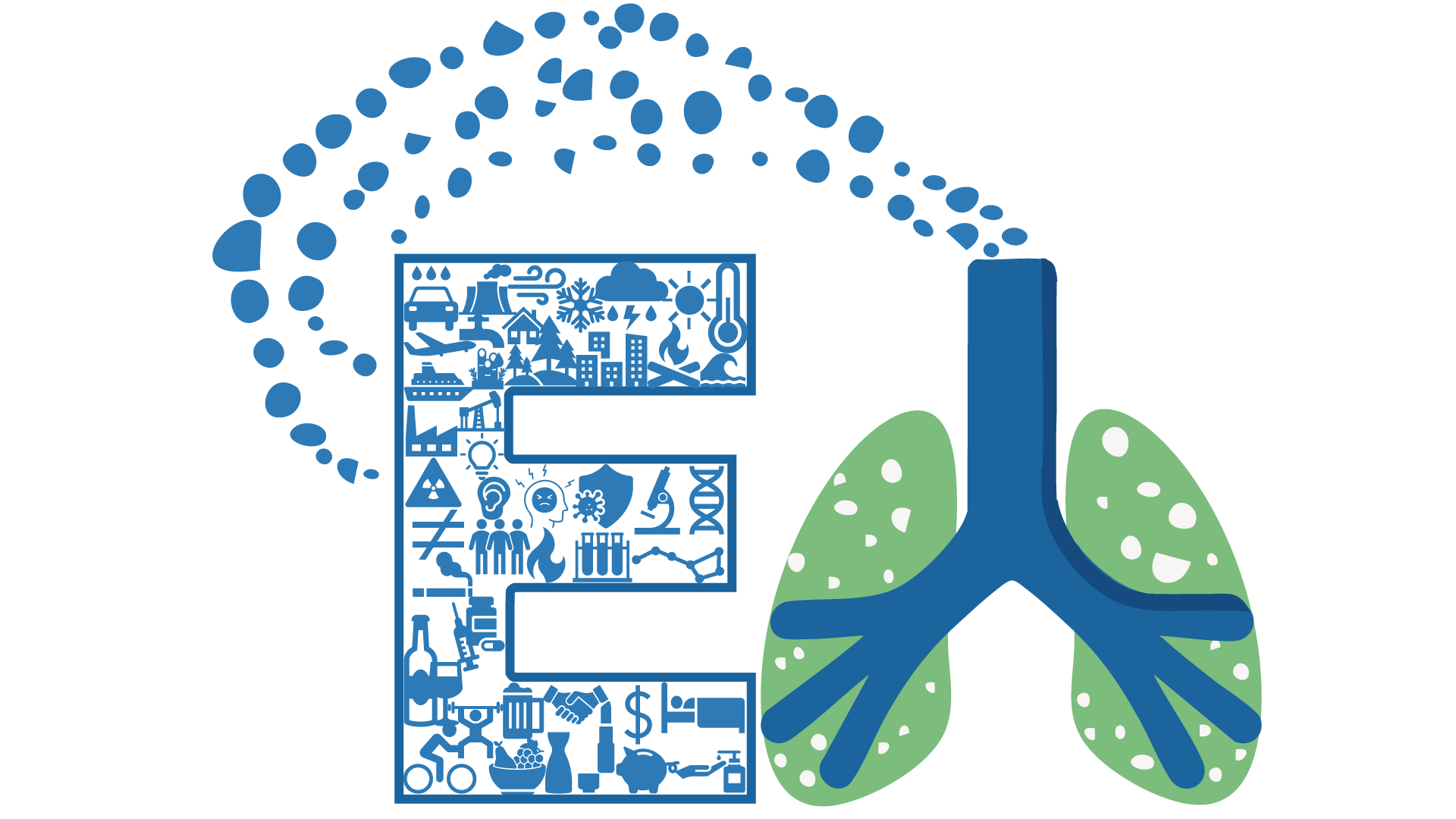
Learn more about the airborne risk factors for the development and progression of chronic lung diseases – also known as the airborne exposome.
Chronic lung diseases (CLDs), such as asthma, chronic obstructive pulmonary disease (COPD), pulmonary vascular diseases (PVDs) and interstitial lung diseases (ILDs), are among the leading causes of illness and death worldwide. They are particularly common in Europe, where aging populations, high smoking rates, and air pollution make them more frequent and persistent.
CLDs have a serious impact on patients’ daily lives, reducing mobility and, over time, causing severe breathing problems. Sadly, treatment options are limited, with most therapies focused on relieving symptoms rather than tackling the underlying disease.
Asthma is a chronic respiratory condition in which the airways become inflamed and narrowed, leading to symptoms such as wheezing, shortness of breath, chest tightness and coughing. It often begins in childhood but can develop at any age and varies widely in severity.
The exposome refers to the totality of environmental exposures an individual experiences throughout life, from before birth onward. Asthma is closely linked to the exposome because factors such as air pollution, tobacco smoke, allergens, infections, diet and psychosocial stress can influence both the development and worsening of the disease.
Early-life exposures are particularly important, as they can shape immune and lung development in ways that increase asthma risk. Interactions between these environmental exposures and genetic susceptibility help explain why asthma prevalence and severity differ across populations and environments.
Chronic obstructive pulmonary disease (COPD) is a prevalent airway condition and a major global cause of morbidity and mortality, affecting about 10% of adults and ranking as the third leading cause of death worldwide. Beyond its direct health impact, COPD incurs substantial healthcare costs and indirect losses from reduced productivity and disability, imposing a significant global burden.
Traditionally, COPD has been linked to smoking occurring in susceptible individuals, mainly men. However, epidemiological, clinical and pathophysiological research over the last few decades has begun to reveal that it is an inflammatory disease resulting from complex, dynamic and repeated gene-environment interactions that start early in life.
Environmental exposure, including outdoor and indoor pollutants such as biomass fuel, is one of the main but not the only exposures that contribute to the development and progression of COPD. Other factors, both external (such as diet and socioeconomic factors) and biological (such as the microbiome), as well as triggers (such as infections), all referred to as the exposome, play a role.
However, the roles of these different exposome factors and their interactions in relation to COPD remain poorly understood. The scope of the EXPLAIN-IT CRC is to describe, identify and understand those exposures, and evaluate the underlying mechanism leading to COPD and the potential biomarkers that will allow us to prevent COPD development.
Pulmonary vascular diseases (PVDs) are a heterogenous group of diseases affecting the pulmonary vasculature, including pulmonary embolism and the whole spectrum of pulmonary hypertension (pulmonary arterial hypertension, pulmonary hypertension associated with lung and heart diseases, chronic thromboembolic pulmonary hypertension and pulmonary hypertension associated with systemic disorders).
Environmental exposures can induce vascular injury and remodeling through mechanisms such as oxidative stress, inflammation and epigenetic modifications. However, the role of the exposome in PVD is not fully understood, as a causal factor and/or an aggravating factor.
Interstitial lung diseases (ILDs) are complex inflammatory and fibrotic respiratory diseases with diverse underlying mechanisms and several environmental and genetic risk factors. For instance, male sex and smoking habit have been described as important factors in combined pulmonary fibrosis and emphysema, while hypersensitivity pneumonitis has been related with several environmental sensitisers, including birds, mould, farming, air-coolers and metal processing fluids.
Moreover, the example of long-COVID syndrome depicts how exposure to a virus may trigger ILD development, while novel studies indicate the correlation of lung microbiome with ILDs. Although the link between pulmonary fibrosis and ageing is well documented, the investigation of both exposures and ageing biology is challenging. Studying the exposome is of great importance to better understand and detect disease at an early stage. Highlighting the possible role of exposome in ILDs will trigger future research to identify treatable traits and design preventive measures.
Detecting lung diseases early allows for timely treatment, lifestyle changes, and potentially new therapies that can slow disease progression, lessen the burden on healthcare systems, and improve long-term outcomes.
Prevention is equally important. Reducing exposure to harmful pollutants and encouraging smoking cessation can lower the risk of developing these serious conditions. While we don’t yet fully understand all causes of CLDs, research shows that airborne exposures can damage lung tissue, trigger inflammation, weaken the immune system, and interfere with normal lung repair.
The exposome is a term for all the environmental exposures a person encounters throughout their life, from diet and lifestyle to pollutants and chemicals. A key part of this is the airborne exposome, which focuses on the substances we inhale, such as air pollution, allergens, dust, and chemical vapors.
Airborne exposures play a major role in the development and progression of CLDs, including asthma, COPD, and ILDs. This is especially true in urban areas across Europe, where industrial emissions, traffic exhaust, climate changes, and indoor pollutants like wood smoke come together.
Long-term exposure to harmful air pollutants is a serious threat to lung health so it is essential to study which environmental factors are most damaging and how they affect the lungs. Mapping these exposures can help improve early detection, guide treatment strategies, and identify new biomarkers. This means biological signs of lung damage caused by the exposome. These biomarkers can also point to potential new treatments or interventions.