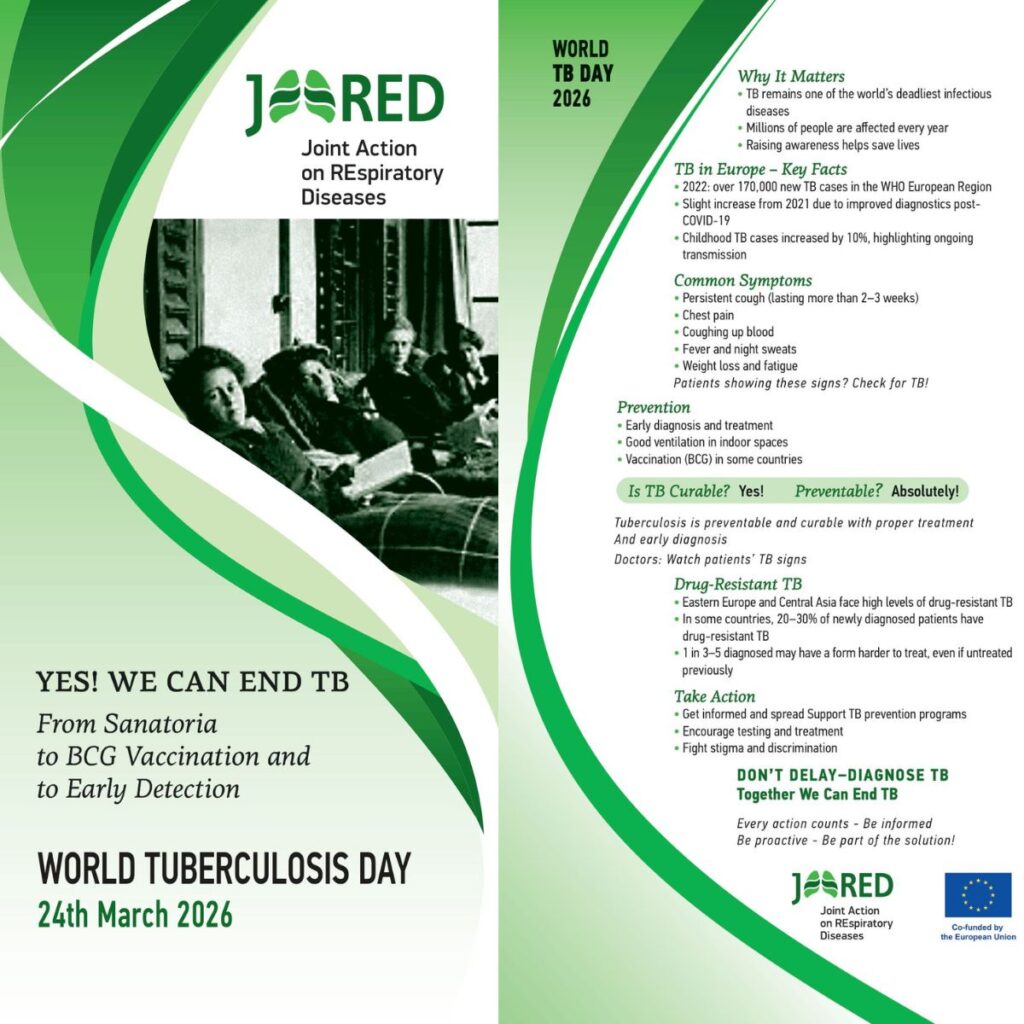
March 24 is recognized as World Tuberculosis Day.
Although we live in an age of modern medicine, tuberculosis (TB) remains one of the world’s most insidious and deadly infectious diseases. This day reminds us that the fight against TB is far from over. According to the World Health Organization, around 10 million people develop tuberculosis every year, and the disease claims approximately 1.5 million lives annually. Particularly worrying are drug-resistant forms of TB, which require long, complex, and often difficult treatment.
Incidence trends: In 2022, just over 170,000 new TB cases were reported in the WHO European Region. This represents a slight increase compared with 2021. Experts believe this rise is partly due to improved diagnostics and renewed case detection following the COVID-19 pandemic.
Childhood tuberculosis: A particularly alarming trend is the growing number of TB cases among children in Europe, which has increased by about 10%. This signals ongoing transmission of the disease and highlights the need for stronger prevention and early detection.
Treatment success: In the European Union (EU/EEA), only about 6 out of 10 people successfully complete TB treatment—one of the lowest success rates seen in the past decade. The global goal is to reach a treatment success rate of at least 90%, which requires stronger healthcare systems, better patient support, and improved access to treatment.
Drug-resistant tuberculosis: Eastern Europe and Central Asia continue to face some of the highest levels of drug-resistant TB in the world. In certain countries, 20–30% of newly diagnosed patients already have drug-resistant TB. In other words, one in every three to five people diagnosed with TB may already have a form that is much harder to treat, even if they have never received TB treatment before.
Addressing these challenges requires strong international cooperation. The European Union initiative “Healthier Together”, implemented through the Joint Action on Chronic Respiratory Diseases (JARED), brings together 15 European countries to reduce the burden of chronic respiratory diseases.
Within this project, Task 6.4, “Chronic Respiratory Infections (TB) and NTM Lung Infection,” focuses specifically on tuberculosis in Europe. As part of this effort, researchers have developed the Adult Tuberculosis Questionnaire to collect important information on how TB is diagnosed, treated, and managed across participating countries.
The results of this survey will be analyzed and published in a scientific journal. The findings will help experts develop evidence-based recommendations to strengthen TB prevention, improve treatment outcomes, and support countries in their efforts to eliminate tuberculosis.
Tuberculosis is preventable and curable—but only if we continue to act, invest in research, and work together.