The ELF Sleep Patient Advisory Group was represented at the recent SATA Day event for people living with sleep and breathing conditions.
Sleep plays a vital role in physical and mental health, yet many people living with obstructive sleep apnoea remain underdiagnosed because symptoms are often missed or attributed to other conditions.
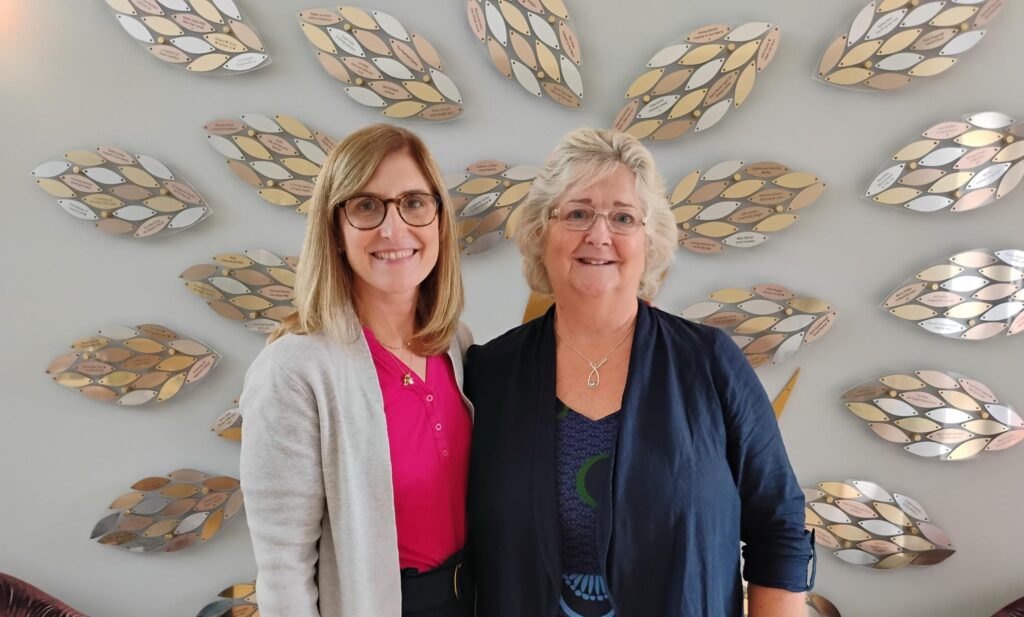
On 3 October 2026, European Lung Foundation Sleep Patient Advisory Group member Vicki Maylan attended the Sleep Apnoea Trust Association annual conference (SATA Day), where she took part in a discussion with family doctor Dr Helen Ramsey on improving awareness of sleep apnoea among doctors and other primary care healthcare professionals.
SATA Day brought together people living with sleep apnoea, healthcare professionals and researchers to discuss current challenges and developments in sleep health.
Sleep apnoea does not always present in the same way for everyone. While symptoms such as loud snoring and excessive daytime sleepiness are widely recognised, women may be more likely to experience insomnia, fatigue and disrupted sleep. Dr Ramsey explained that these symptoms can sometimes be attributed to menopause or other health conditions, potentially delaying diagnosis and treatment.
Drawing on her own experience, Vicki described how her symptoms, including nocturia (urination at night) , were initially linked to other health conditions and led to several years of investigations before she was referred for a sleep test. She was eventually diagnosed with severe sleep apnoea, and treatment with continuous positive airway pressure (CPAP) therapy led to a significant improvement in her symptoms.
Reflecting on her diagnosis journey, Vicki said:
“My symptoms did not fit the stereotypical picture of sleep apnoea, which contributed to a delay in diagnosis. By sharing my experience, I hope to raise awareness that symptoms can vary and that earlier recognition could help more people access the support and treatment they need.”
Vicki and Dr Ramsey noted that a similar challenge can arise for people living with conditions such as fibromyalgia, where symptoms may be attributed solely to an existing diagnosis rather than prompting consideration of sleep apnoea.
The session explored symptoms and associated conditions that may indicate sleep apnoea but are not always widely recognised. These included nocturia, difficult-to-control high blood pressure, irregular heart rhythms, morning headaches and previous stroke.
The speakers highlighted the importance of considering sleep apnoea alongside other health conditions rather than assuming symptoms can be explained by an existing diagnosis alone.
Dr Ramsey said: “Awareness of sleep apnoea needs to extend beyond sleep clinics. Healthcare professionals across a range of specialties may encounter signs that point towards an underlying sleep disorder.”
Dr Ramsey highlighted the need to improve awareness of sleep apnoea across primary care and other healthcare settings. She noted the limited exposure many healthcare professionals receive to sleep medicine during their training and the challenge of recognising a condition that can present in many different ways.
Patients can also play an important role in raising awareness by sharing their experiences and helping healthcare professionals better understand the realities of living with sleep apnoea.
Through the ELF Sleep PAG, people affected by sleep-disordered breathing help shape awareness activities, information resources and future developments in care by sharing their experiences and expertise.
The discussion also explored the patient journey from diagnosis through to treatment, including preparing for GP appointments, managing symptoms while waiting for assessment and overcoming challenges with CPAP therapy.
Speakers stressed the importance of seeking support from sleep clinics when difficulties arise, as adjustments to masks and equipment can often improve comfort and help people continue treatment successfully.
Additional sessions covered:
The event concluded with a lively question-and-answer session, reflecting the strong engagement of the sleep apnoea community and the continuing need for greater awareness, earlier diagnosis and patient-centred support.