Our annual Patient Organisation Networking Day (POND) will take place on Saturday 5 September. Join us as we discuss important topics on lung health with the ELF Patient Organisation Network and invited speakers.
Content Table
The ELF Patient Organisation Networking Day is an opportunity for members of the ELF Patient Organisation Network to connect, share knowledge and explore current challenges in lung health.
The 2026 event will take place on Saturday 5 September, aligned with the overall Congress theme “United for better breathing: partnership between patients, clinicians and researchers”.
This event will bring together patient organisations and healthcare professionals to connect, share experiences and learn from one another. Through panel discussions, patient perspectives and opportunities to exchange best practices, we will explore how to reduce barriers and strengthen collaborative working.
Together, we will consider what it means for patients to be equal partners in decision-making, addressing unmet needs and lung health research. By encouraging open and constructive discussion, the event aims to support a shift towards more meaningful partnership between patients and professionals.
The day will conclude with shared commitments that support more effective, inclusive and impactful collaboration across the lung health community.
Look back at the day:
The event is now over.
A recording of the event is available here:
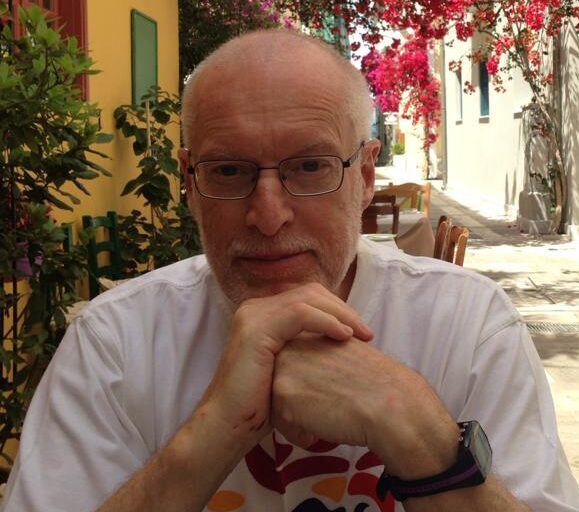
Phil Taverner is the incoming Chair of the European Lung Foundation and will begin his 3-year mandate in September 2026 during the ERS Congress. Phil lives with asthma, bronchiectasis and a heart condition. With a background in social and community work in both the UK and New Zealand, Phil worked for local authorities and national charities before moving into public health research with the UK's National Institute for Health Research. Phil's advocacy journey has spanned a wide range of roles to raise awareness of the needs of patients and carers, the value of lived expertise in driving research and care, and the importance of collective action to ensure better lung health for all.

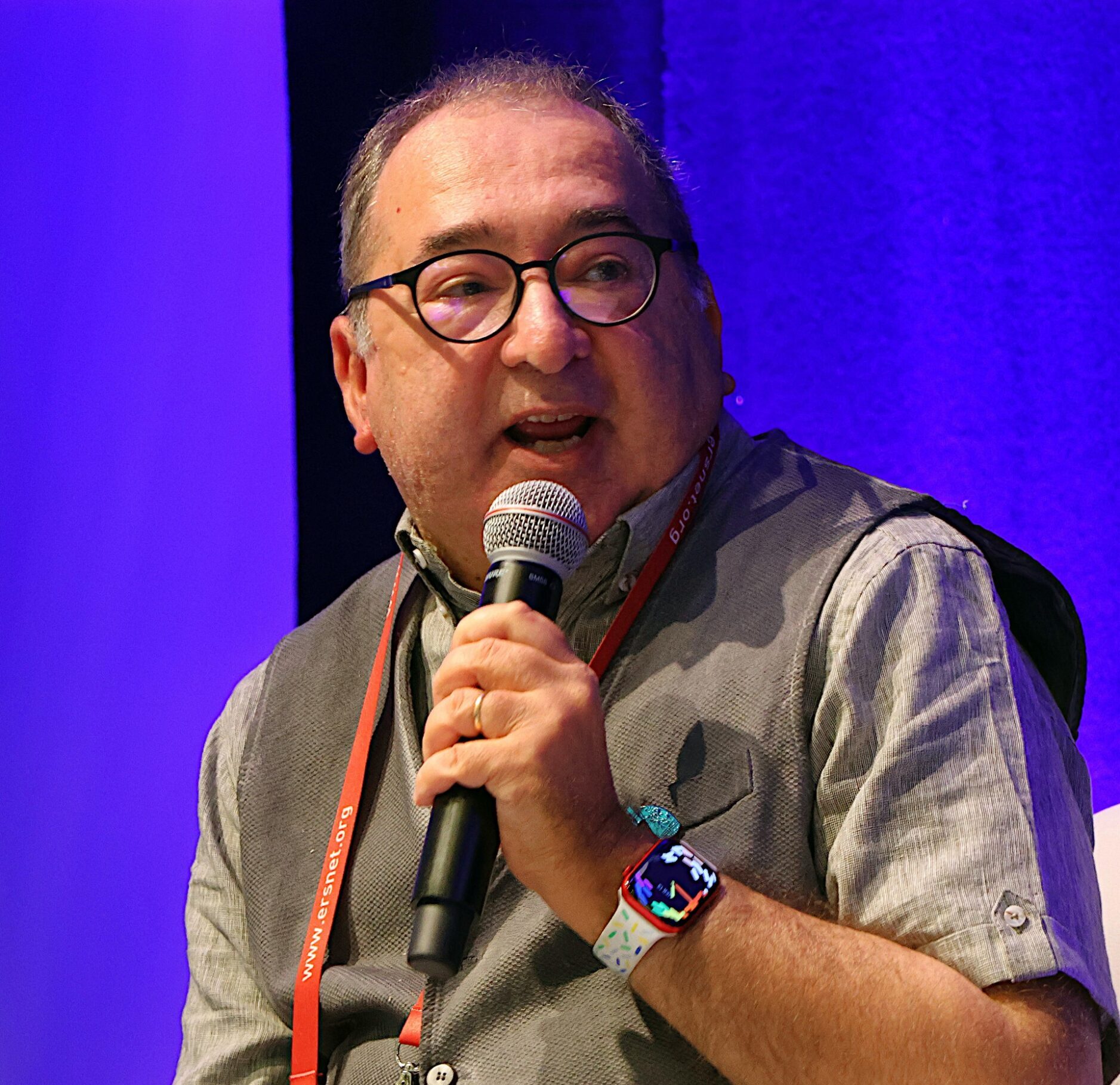
Dimitris Kontopidis is Chair of the European Lung Foundation. Dimitris is a cystic fibrosis patient and advocate and has been deeply involved in developing healthcare policy for chronic diseases. Dimitris chose not to have a lung transplant and by doing so brought ‘medicine for all’ to the forefront of Greek politics, helping to save the lives of many people with cystic fibrosis.
Stefano Pavanello is a patient advocate and President of the Union of Lung Transplant Patients of Padua, Italy, an organisation that supports lung transplant recipients and promotes awareness of organ donation and transplantation. Living with cystic fibrosis for much of his life, Stefano received a life-changing double lung transplant at the age of 45. Since then, he has dedicated himself to supporting others navigating the transplant journey and advocating for the needs of transplant patients.

Dr Eleonora Volpato is an Associate Research Fellow at KU Leuven, Belgium, and the University of Graz, Austria. A clinical psychologist and researcher with experience across leading European institutions, her work focuses on respiratory and neuromuscular diseases, exploring how psychological factors such as expectations, emotions, learning and social processes influence symptoms, brain processing and health outcomes in chronic illness.

Carlos Pons is Managing Director of the Respiralia Foundation, a non-profit organisation supporting children and families affected by cystic fibrosis in the Balearic Islands, Spain. Through his work with the foundation, he is committed to improving support for people living with cystic fibrosis and their families.

Professor Hilary Pinnock chairs the Education Council of the European Respiratory Society. She is also Professor of Primary Care Respiratory Medicine at the University of Edinburgh and a leader in respiratory research, innovation and education. She leads programmes within the Centre for Applied Respiratory Research, Innovation and Impact (CARRii), the RESPIRE Global Health Research Unit, and the European Respiratory Society Clinical Research Collaboration CONNECT. Her research focuses on improving the delivery of respiratory care, including asthma self-management, digital health interventions and pulmonary rehabilitation in low-resource settings.

Eliza Kompatsiari is a lawyer and PhD researcher in Criminal Law based in Thessaloniki, Greece. Diagnosed with bronchiectasis in 2011, she joined the European Lung Foundation (ELF) Bronchiectasis Patient Advisory Group in 2021 and has been an active member since. She has helped organise and participate in ELF Bronchiectasis Patient Conferences and served as a patient representative for the 2025 European Respiratory Society Clinical Practice Guideline for the Management of Adult Bronchiectasis.
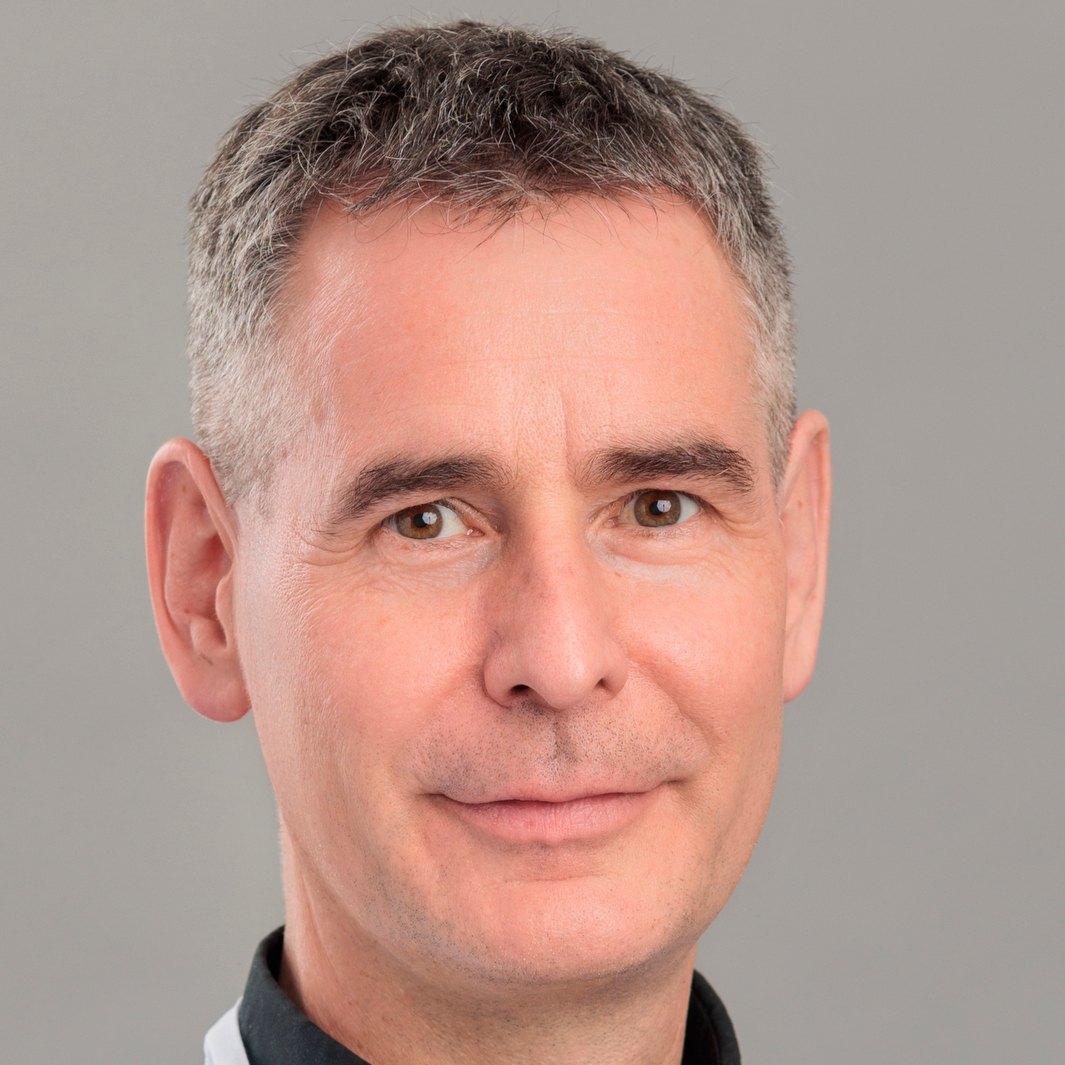
Michael Kreuter is Professor of Pulmonology at the University of Mainz, Germany and Director of the Mainz Center for Pulmonary Medicine, which is an expert lung center. His research and clinical focus is on interstitial lung diseases and he is engaged in several patient support groups.

James Chalmers is Rhodes Chair of Experimental Therapeutics and Clinical Pharmacology at the University of Oxford and an honorary respiratory physician. He leads a translational research programme dedicated to finding new treatments for airway diseases including bronchiectasis. He has published more than 560 peer review publications and led 5 international guidelines. He is the chair of EMBARC, The European Bronchiectasis network, Chief Editor of the European Respiratory Journal, Chair of the Standards of Care Committee of the British Thoracic Society and holds a number of other senior appointments in the respiratory field.

Jean-Michel is President of the French Association for Pulmonary Fibrosis, a patient organisation dedicated to supporting people living with pulmonary fibrosis and raising awareness of the disease. He also chairs the European Lung Foundation (ELF) Mental Health Working Group, is a member of the ELF Patient Advisory Committee (PAC) and has been a speaker at the European Respiratory Society (ERS) Congress. Jean-Michel is committed to increasing recognition of the importance of mental health for people living with lung disease.
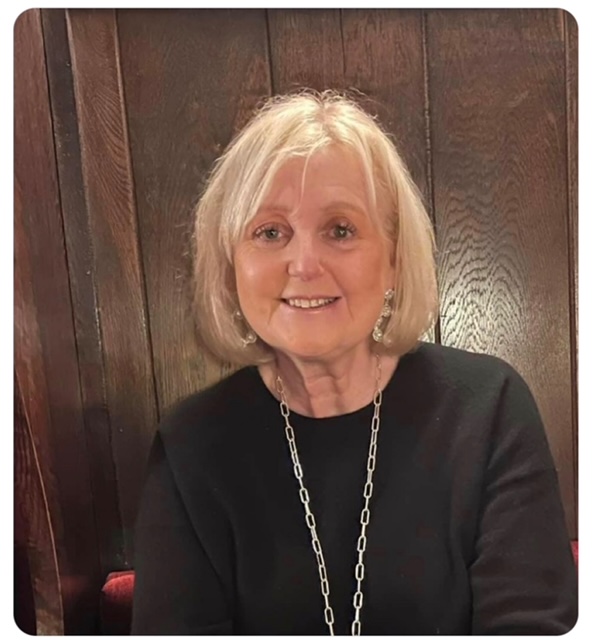
Debra Montague is Founder of ALK Positive Lung Cancer (UK), a patient charity supporting people affected by ALK-positive lung cancer and advocating for improved outcomes through awareness, research and policy change. Following a diagnosis of Stage 4 ALK-positive lung cancer nearly eight years ago, after a 25-year career in the pharmaceutical industry, she became a leading patient advocate in the UK and Europe. Debra is Vice-President of Lung Cancer Europe (LuCE) and a Board Member of ALK Positive Europe, working with patient organisations, healthcare professionals and industry partners to improve screening, prevention and patient care. She is also committed to raising awareness of lung cancer in people who have never smoked.
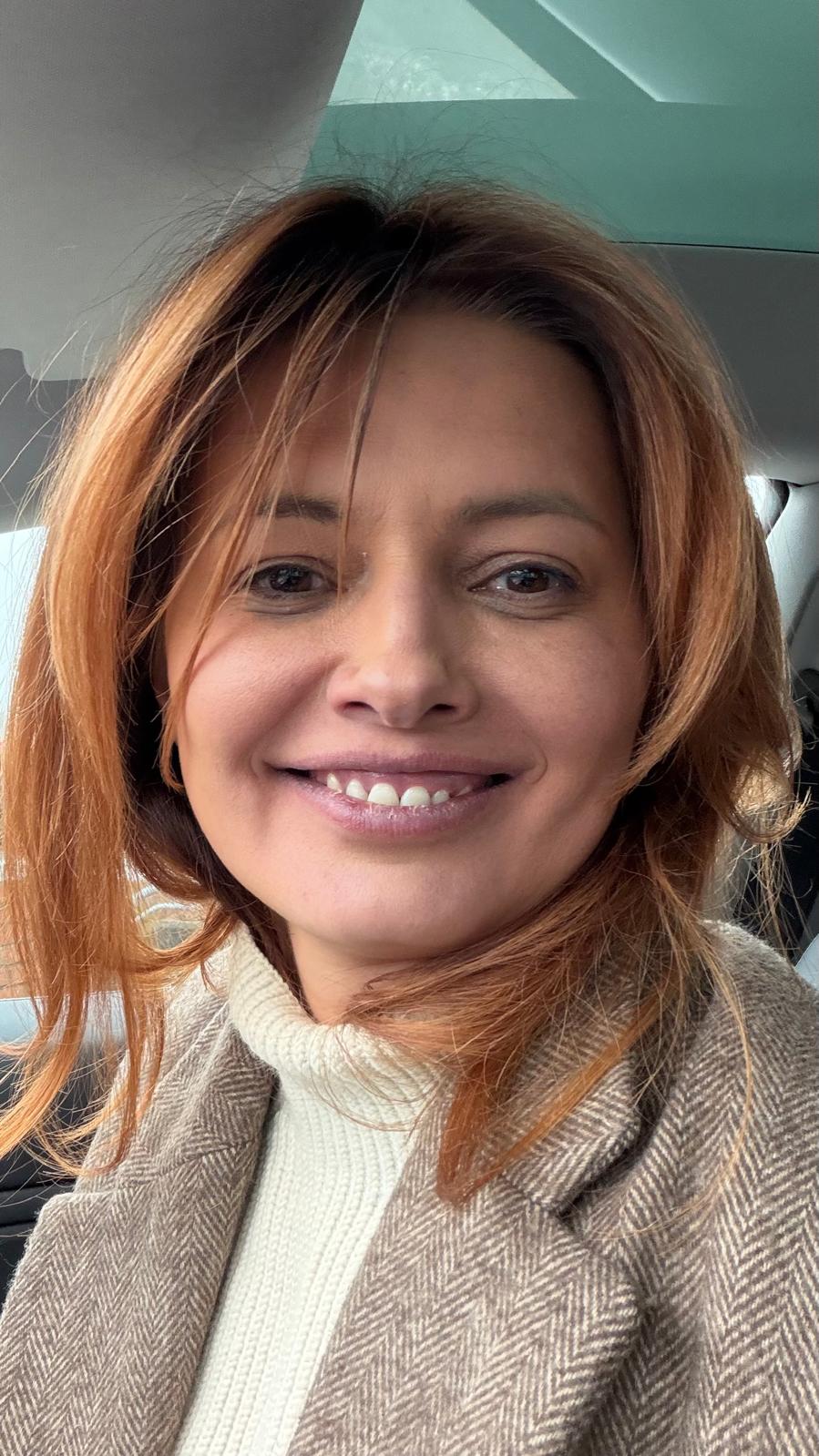
Oksana Kulish Skåra is the founder and President of the Pulmonary Hypertension Ukrainian Rare Disease Association (PHURDA), co-founder of the Ukrainian Respiratory Coalition (URC), a member of the PH PAG and UPAG, and a former European Lung Foundation Council Member (2021–2024). As a pulmonary hypertension patient and advocate, she works to improve access to early diagnosis, innovative treatments, and patient-centered care while strengthening collaboration between patients, healthcare professionals, and policymakers across Ukraine and Europe.
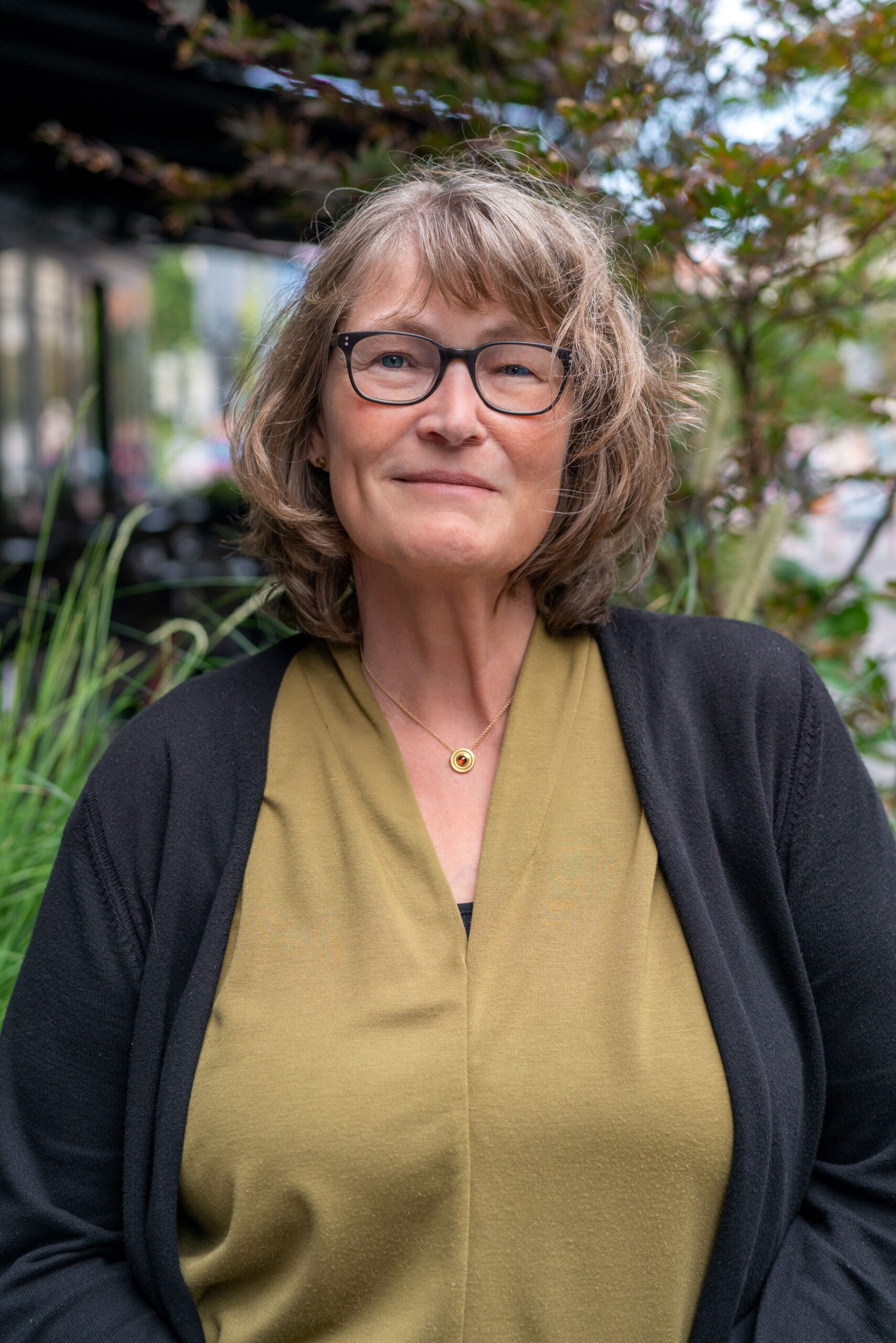
Marion Wilkens is President of Alpha1 Deutschland e.V., the largest alpha-1 antitrypsin deficiency patient organisation in Europe, representing more than 1,000 members. A former chemical engineer, Marion became involved with the organisation after her own diagnosis of alpha-1 antitrypsin deficiency and discovering that her two children are carriers of the condition. A board member since 2013 and President since 2015, she is committed to supporting patients and families through information, advocacy and community engagement. Alpha1 Deutschland works closely with national and international organisations to advance awareness, research and care for people affected by alpha-1 antitrypsin deficiency.
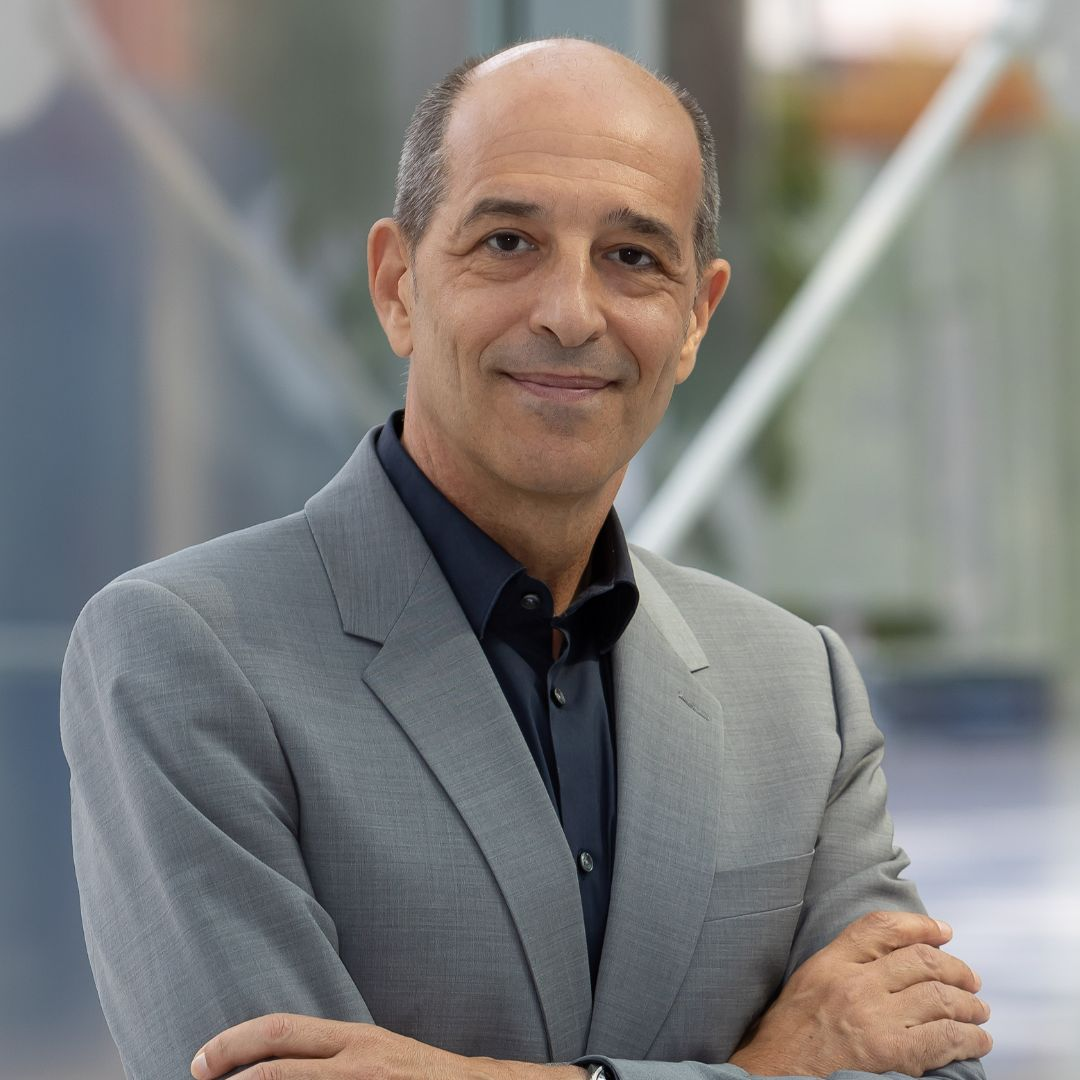
Professor Marc Miravitlles is the President-Elect of the European Respiratory Society (ERS). He is a Senior Researcher and Consultant at Vall d’Hebron University Hospital, Barcelona and has acted as a consultant for the development of international guidelines of COPD, including the ERS statement on management of respiratory disease in Alpha-1 antitrypsin deficiency (AATD). He is also currently Chair of the ERS European Alpha-1 Research Collaboration (EARCO CRC).
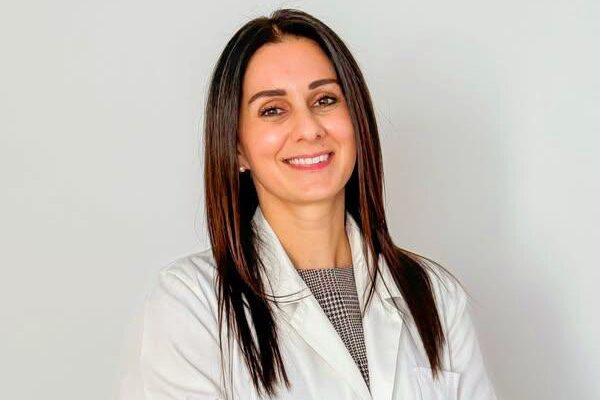
Dr Ourania Koltsida MD is a respiratory physician from Athens. She works in Sotiria Hospital where she have been running the Pulmonary Rehabilitation Department since 2017, often working with patients with COPD and asthma.
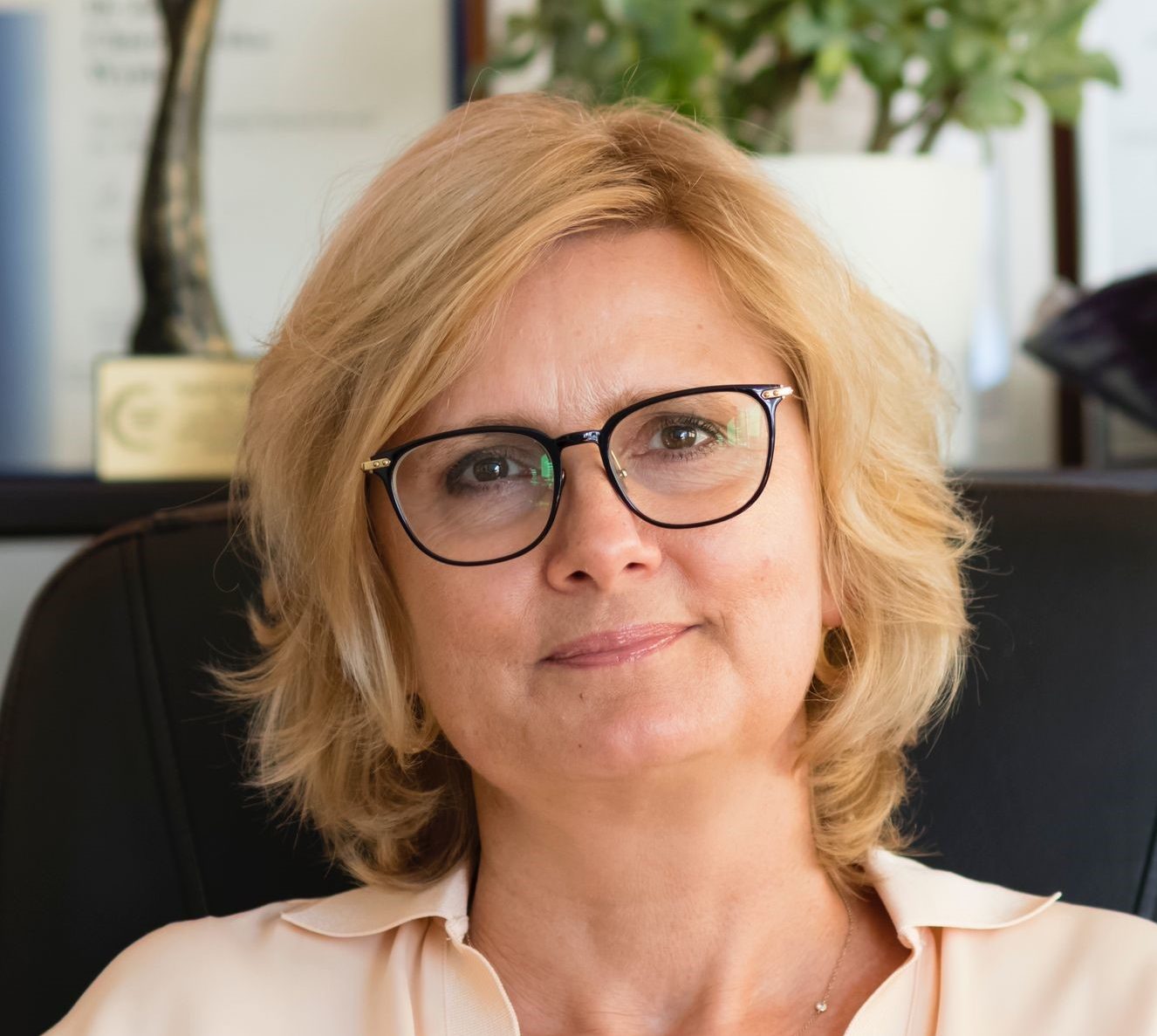
Professor Joanna Chorostowska-Wynimko is the President of the European Respiratory Society. She is a consultant in respiratory medicine at the National Institute of Tuberculosis and Lung Diseases in Poland. Her clinical and research interests lie mostly in lung cancer, COPD and alpha-1 antitrypsin deficiency.

Éric Salone is President and Founder of the Association Josiane Salone, Everyone United Against COPD, a French patient organisation dedicated to raising awareness of COPD, supporting patients and caregivers, and promoting earlier diagnosis and better care. Inspired by his experience caring for his mother, he is also Vice-President of FFAAIR (Fédération Française des Associations et Amicales de Malades, Insuffisants ou Handicapés Respiratoires), the French federation representing people living with respiratory diseases. Through his advocacy work, he promotes greater recognition of patients and caregivers, wider access to spirometry, and stronger political action on COPD and respiratory health.
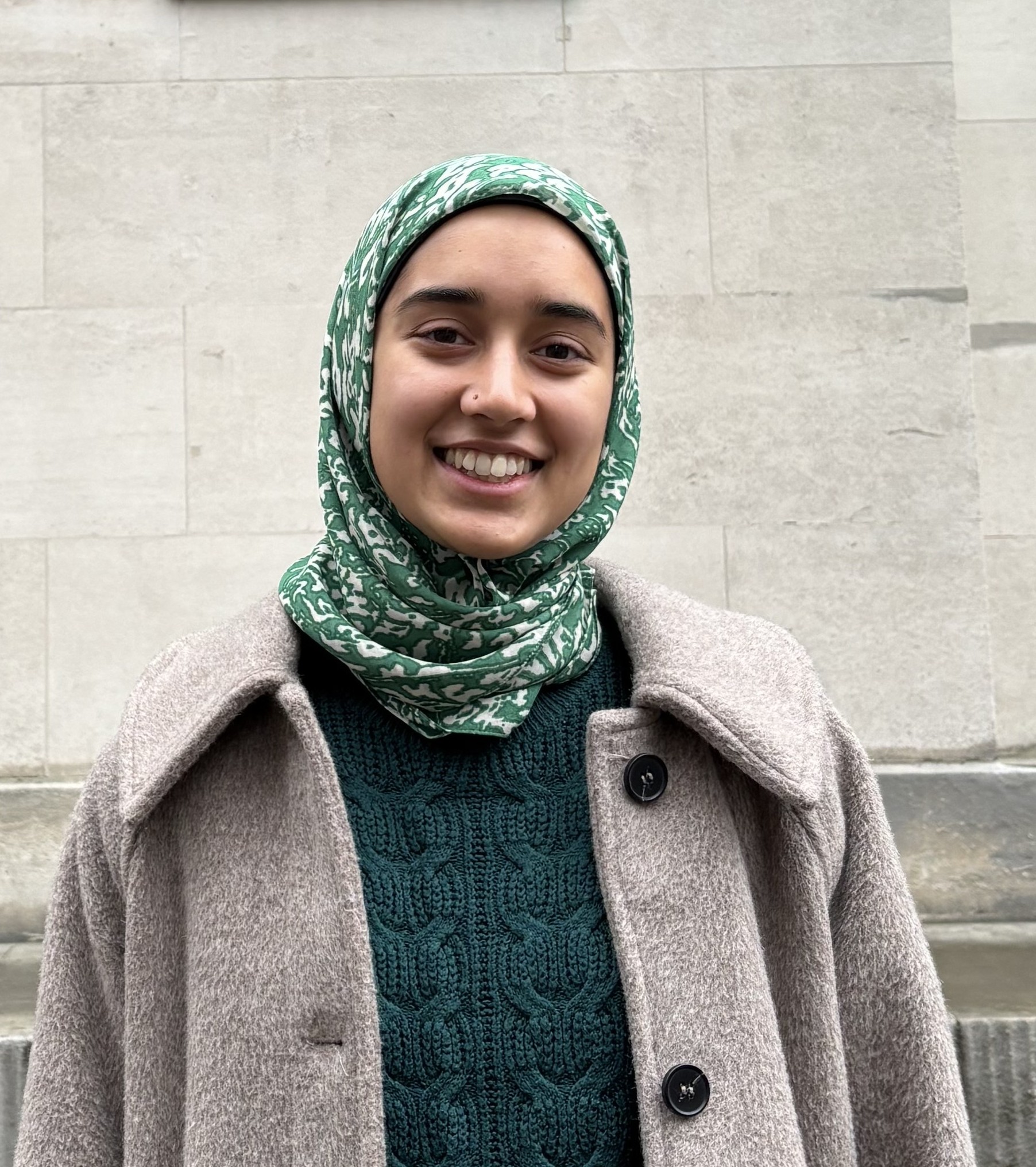
Haneefa Alam is a Senior Policy and Engagement Officer for the Taskforce for Lung Health, a coalition of over 50 members who have come together to improve lung health in England, and has previously worked in the UK Civil Service gaining experience in central government strategy and policy-making, and strategic communications. Amplifying the voices of people with lived experience has been a core focus of a number of her roles and is particularly important to her current work with the Taskforce for Lung Health.

Alba has a background in biomedical sciences and clinical trials, with more than six years of patient advocacy experience. She has been working with the Pulmonary Fibrosis community since 2019 and is currently serving as the Executive Director of the European Pulmonary Fibrosis Federation (EU-PFF).
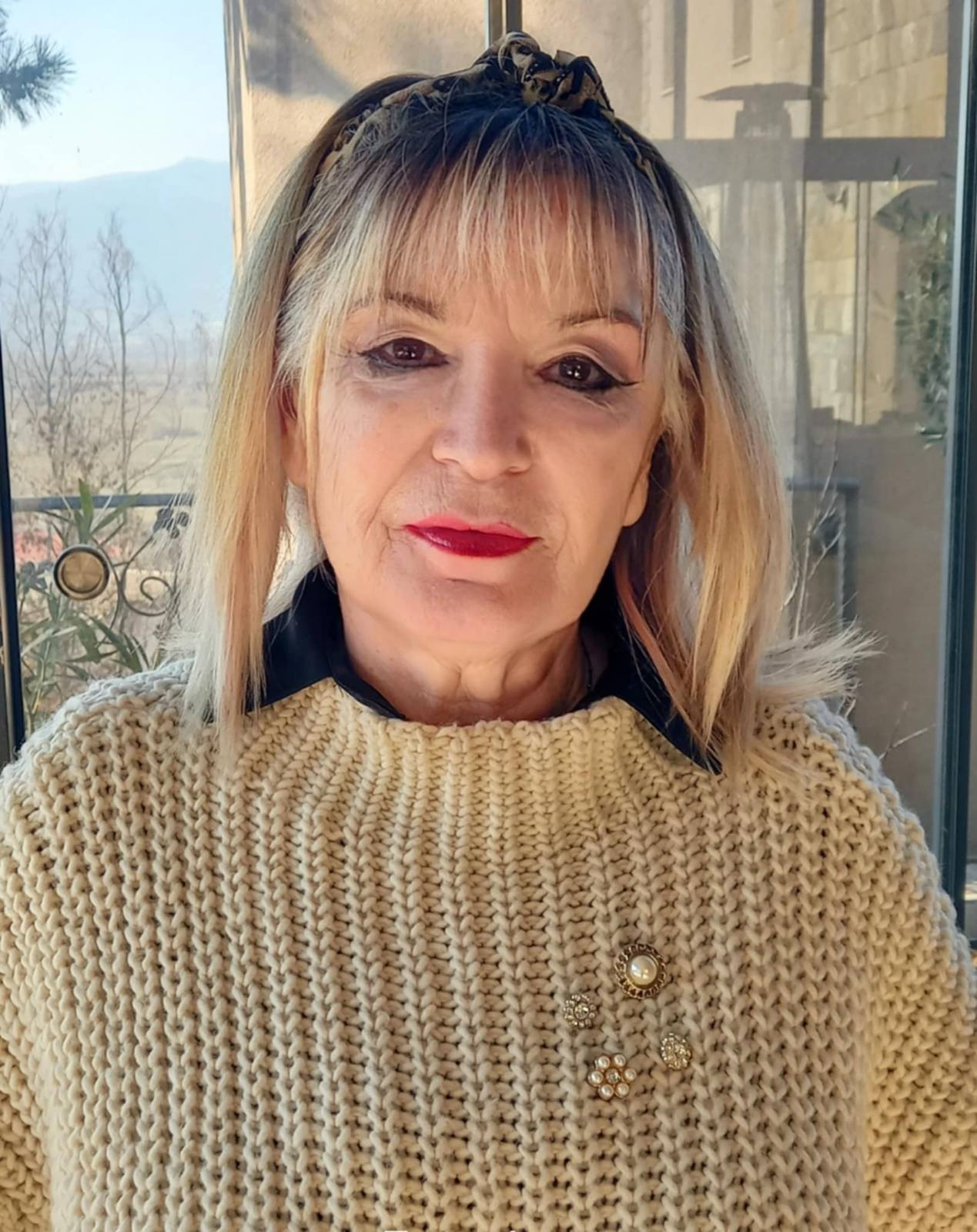
Eleni Stamouli is a patient advocate from Thessaloniki, Greece, and represents the rehabilitation group for people living with idiopathic pulmonary fibrosis (IPF). She is a member of the Hellenic Society of Pulmonary Fibrosis and the ELF Pulmonary Fibrosis Patient Advisory Group. Through her advocacy work, Eleni supports people living with pulmonary fibrosis, promotes the benefits of rehabilitation and patient involvement, and works to ensure that patient perspectives are reflected in research, care and policy.

Liliya Belenko Gentet is a patient advocate with FFAAIR, the French Federation of Associations and Friends of People with Respiratory Conditions. Through her advocacy work, she supports the voice and involvement of people living with respiratory diseases, helping to promote patient-centred care, awareness and engagement across the respiratory community.

Teresa Burgoyne is a retired respiratory nurse specialist and a volunteer with Asthma + Lung UK’s Breathe Easy Nottingham West Support Group, UK. Drawing on both her professional experience in respiratory care and her work supporting people living with lung conditions, she is committed to improving patient support, education and awareness within the respiratory community.

Blanca Angulo Muñoz is a patient advocate with Bronquiectasias Grupo Apoyo, Spain, a support network for people living with bronchiectasis. Through her involvement, she helps raise awareness of the condition and supports people affected by bronchiectasis through patient engagement and community advocacy.

Fernanda Aspilche Ferro is President of the Alpha-1 Europe Alliance and a passionate advocate for people living with alpha-1 antitrypsin deficiency (AATD) and rare diseases. Diagnosed with AATD in 2019, she began volunteering with Alpha-1 Plus in Belgium and joined the Board of RaDiOrg, Rare Diseases Belgium, in 2020. Through her advocacy work, Fernanda is committed to raising awareness and improving the lives of people living with rare diseases, particularly those affected by alpha-1.
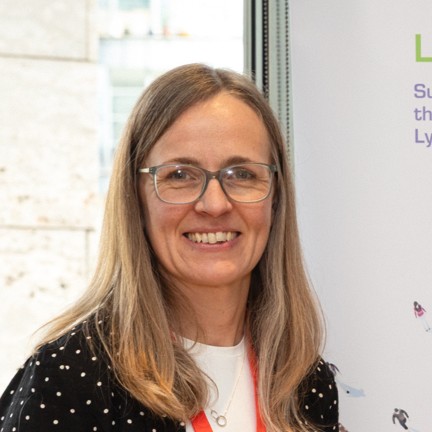
Clare Lyon is a patient advocate, Trustee of LAM Action UK, and a patient representative for the LifeArc Centre for Rare Respiratory Diseases, a UK-wide research collaboration focused on improving diagnosis, treatment and care for people living with rare respiratory conditions. Living with lymphangioleiomyomatosis (LAM), a rare lung disease, Clare brings lived experience to research and innovation, helping to ensure that patient perspectives shape priorities and outcomes. With a background in biological sciences and clinical research, she is committed to strengthening partnerships between patients, researchers and healthcare professionals to advance rare respiratory disease research and care.

Professor Andy Bush is a respiratory physician at Royal Brompton Hospital, and professor of paediatrics at Imperial College London, UK. He is committed to improving respiratory care through clinical practice, research and collaboration, helping to advance understanding and treatment of lung diseases in children.

Professor Daiana Stolz is a respiratory physician and researcher at University Hospital Basel, Switzerland. Through her work in clinical care, research and professional collaboration, she contributes to advancing respiratory medicine and improving outcomes for people living with lung diseases.
Last year we explored topics relating to the theme: “Improving respiratory health – thinking globally, acting locally“. This event offered a space to reflect on global challenges and to learn from organisations that are responding in innovative ways, including local initiatives, national campaigns and international efforts. Participants also had the chance to explore how organisations can support their patient communities and strengthen respiratory health in a fast-changing world.
You can read more about the event and report on the event page, or watch the recording below:
ELF events and materials are free, so that everyone can access them. If you are able, we welcome donations to help us continue this support. We are grateful to all who contribute, helping people with lung conditions understand their health better and make their voices heard.