


Mechanical ventilation
This page explains mechanical ventilation, a treatment that helps people breathe using a ventilator. It covers how it works, when it is used and the potential benefits and side effects. Information on continuous positive airway pressure (CPAP), a type of ventilation used for sleep apnoea, is available on a separate page.
Content Table
What is mechanical ventilation?
Mechanical ventilation is a way to support breathing when a person cannot breathe for themselves. It uses a machine called a ventilator that pushes air – either air from the room or air mixed with extra oxygen – into the lungs.
There are two main types of ventilation:
- Invasive ventilation: the machine delivers air through a tube inserted directly into the windpipe (trachea).
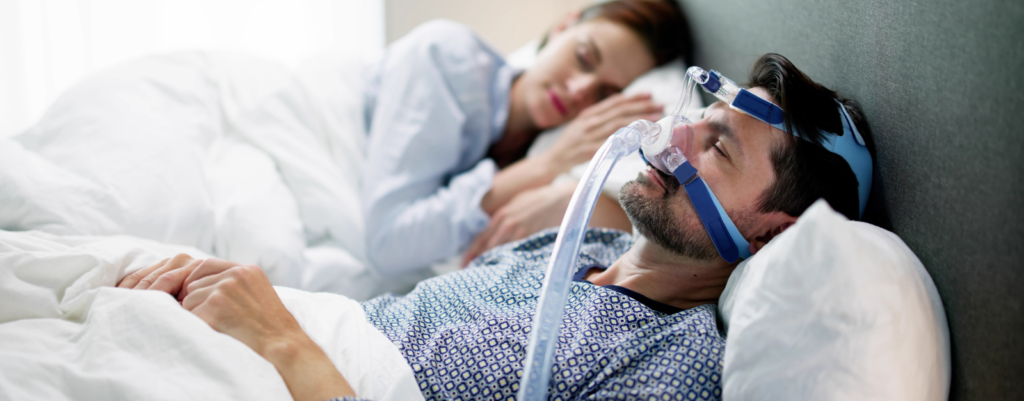
- Non-invasive ventilation: air is delivered through a mask that covers the nose, mouth or both, keeping the natural airways working.
Learn from people with experience of mechanical ventilation
When is mechanical ventilation likely to be used?
Mechanical ventilation can be used at different times of the day, for example, just when a person is sleeping, or continuously, depending on the person’s needs. It can be used in different places:
- In hospital, for short-term problems, like severe pneumonia, chronic obstructive pulmonary disease (COPD) flare-ups (exacerbations), or muscle weakness that is affecting breathing. Once a person recovers, the ventilator may be gradually reduced (known as weaning). Ventilation can also be stopped if recovery is unlikely or if a person chooses not to continue.
- At home, for long-term support, for conditions such as neuromuscular diseases, obesity-related hypoventilation, COPD, restrictive chest wall diseases (such as kyphoscoliosis) or other conditions that restrict breathing.
- At home for treating sleep apnoea, if CPAP is not effective. CPAP and mechanical ventilation machines look similar but work differently. Find out more about CPAP.
How does mechanical ventilation work?
Modern ventilators most commonly push air into the lungs using two pressures:
- A higher Inspiratory Positive Airway Pressure (IPAP) – also called your ‘in-breath’ pressure – on an inwards breath to help bring in air.
- A lower Expiratory Positive Airway Pressure (EPAP) – also called your ‘out-breath’ pressure – on an outwards breath, so you can breathe out comfortably.
This helps reduce the effort needed to breathe, improves oxygen levels and helps removes carbon dioxide. Even during the outwards breath, most ventilators keep a small positive pressure to keep the airways open, improve oxygen levels and reduce pauses in breathing (apnoes).
What are the benefits of mechanical ventilation?
There are several benefits to using mechanical ventilation:
- During short-term problems, mechanical ventilation can play a crucial role in keeping a person alive while their body recovers
- For long-term problems, mechanical ventilation can help to:
- improve sleep quality and overall quality of life
- enable you to sleep better at night and feel less tired in the day
- improve breathing and reduce shortness of breath
- reduce flare-ups and hospital visits
- delay the worsening of the condition.
In a recent survey conducted by ELF and the European Respiratory Society’s IMPORTANCE Clinical Research Collaboration, most people reported significant benefits from using a ventilator, with only 5% reporting no significant benefit.
What are the challenges and possible side effects of mechanical ventilation?
Beyond these benefits, the IMPORTANCE survey identified several challenges and side effects reported by people using mechanical ventilation.
For short-term problems, side effects of invasive ventilation include:
- difficulty communicating, especially if medication is needed to keep a person comfortable or asleep during ventilation (sedation)
- ventilator-associated pneumonia – this is a type of pneumonia linked with using ventilators
- muscle weakening from being immobile – this can occur when a person stays in bed for long periods of time.
For long-term conditions, side effects of invasive (tracheostomy) include:
- bleeding or ulcers linked to a tracheostomy – when the tube placed in the windpipe can irritate or damage the surrounding area.
- difficulty speaking – as airflow is redirected through the tube rather than the vocal cords, it can make normal speech difficult.
- increased risk of chest infections – as mucus can build up around the tube and increase the risk of infection if not regularly cleared.
For non-invasive ventilation (using a mask), side effects can occur either for short-term or long-term use and can include:
- dry mouth or nose
- mask leaks or discomfort
- ventilator noise
- skin irritation or sores
- swallowing air (aerophagia)
- difficulty exhaling or feeling claustrophobic
- ‘rainout’ (water in the mask and/or hose) from the humidifier.
Do not use petroleum-based products (like Vaseline) with your device, as they are a serious fire hazard when used near oxygen. Most side effects can be managed by adjusting the mask or ventilator settings. Healthcare professionals can advise on how to do this.
For people using mechanical ventilation at home, other challenges include:
- traveling with the equipment
- power cuts or electrical outages
- the ventilator bothering the person’s bed partner
- needing help to put on and begin therapy.
The IMPORTANCE survey also asked people about the main improvements they would like to see in using home mechanical ventilation. The top three responses were:
- more comfortable masks
- quieter and smaller equipment
- more personal follow-up care.
“It is worth asking your healthcare provider to try a few different masks if possible. If you will use your mask overnight, remember to try it lying down as it can feel different to wearing it sat up.” Clare, who has experience of using mechanical ventilation at home.
How long does it take to recover from using mechanical ventilation?
For people using it for short-term problems, ventilation is usually temporary and can be reduced and stopped once the lungs or breathing muscles have recovered enough. This gradual process is called weaning, where ventilator support is slowly decreased while closely monitoring how well the person can breathe on their own.
For people using it for long-term conditions, mechanical ventilation may be continued as long as it provides benefit and is in line with the person’s wishes. Decisions about reducing or stopping ventilation are revisited over time and should always involve shared decision-making between an individual, their caregivers and their healthcare team.
Why are shared decision-making and advanced care planning important?
Decisions about using mechanical ventilation should involve open communication between the healthcare team, individuals and their caregivers. Decisions should be reviewed regularly. To help make these decisions, experts recommend that:
- People should receive clear, fair information about their options and expected benefits and risks. This should include practical tips on mask fitting, cleaning, troubleshooting and identifying warning signs.
- Decisions should reflect a person’s goals, values and preferences.
Shared decision-making is an ongoing process, and care decisions should be reviewed regularly.
Advance care planning helps people think about and share their wishes for future treatment, including whether and how mechanical ventilation should be used. For people with long-term or progressive lung conditions, discussing mechanical ventilation in advance can help avoid rushed decisions during emergencies and ensure care aligns with what matters most to each person, such as quality of life or symptom relief.
These conversations should start early, be reviewed over time, and be clearly documented so families and healthcare teams understand and respect a person’s preferences.
Read more about advanced care planning and palliative care.
Further resources
Lay guideline: the use of telemedicine in home mechanical ventilation
The European Respiratory Society’s IMPORTANCE Clinical Research Collaboration (CRC), is working towards improving care for people using positive airway pressure (PAP) or home mechanical ventilation (HMV). The project envisions a future where PAP/HMV care is standardised, efficient and accessible to all eligible patients.
The hope2sleep charity have a page that includes more top tips for sleeping with CPAP or non-invasive ventilation.
This page was updated in 2026.
