News

Looking after your health during the summer months

As the weather warms up and several places in Europe are experiencing heatwaves, it can affect breathlessness, or cause flare-ups of symptoms, for people living with lung conditions. Extreme heat can make symptoms of lung disease worse and happen more often. 

10/07/2026

Top tips

Here are some practical tips for looking after yourself, or those you care for, during the summer months: 

Breathe clean air 

We often spend more time outdoors in the summer, but changing weather patterns can impact the quality of the air we breathe. 

  • Check pollution levels: Use an online pollution monitor to check levels in your area. 
  • Be aware of dust and smoke: High temperatures increase the risk of drought and desert dust storms. This worsens air quality as dust from the ground rises into the air we breathe. Wildfires also become more common in hot, dry conditions and the smoke pollutes the air. On days when dust or smoke alerts are issued, try to stay indoors.
  • Watch for pollen: Higher temperatures and increased carbon dioxide mean plants produce more pollen for longer periods and in more places. The pollen is also richer in the chemicals that cause allergies. Plant pollen seasons can last longer in high temperatures, and the spread of plants can change with a changing climate. Check local weather forecasts and pollen counts and consider changing your activities to avoid outdoor exercise on days with high levels.
  • Protect your home: Keep windows closed on days when local pollution, dust or pollen counts are flagged as very high. 


Take the active option 

Staying active is very important, but hot weather means you might have to adjust your usual routine. 

  • Timing: Air pollution usually peaks during hot, sunny afternoons. Try to plan any outdoor activities for the early morning or later in the evening when the air is cooler and cleaner. 
  • Location: On exceptionally hot or humid days, think about moving your physical activity inside. Exercising in a room that does not get direct sunlight, or a room with the shutters or blinds closed can help keep you cooler. You could also try and access a local gym or leisure centre, which may have air conditioning. 
  • Pace: Keep a steady pace: listen to your body and take regular breaks. 


Keep cool and hydrated 

If you do not live in an air-conditioned building, it can be difficult to keep cool. Try to find shaded areas outdoors at the start or end of the day. Make sure all your windows and blinds are shut during the hottest parts of the day. You could also consider using fans to help you cool down. Research has found that hand-held fans can help ease breathlessness for people living with COPD. Read the study. 

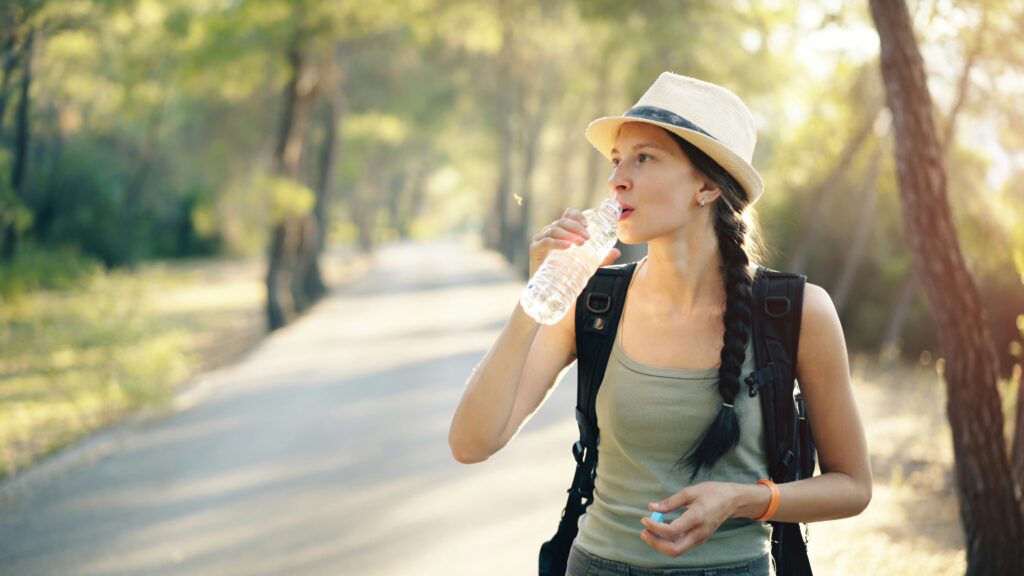
It is important to drink lots during high temperatures as being dehydrated can put extra stress on your breathing system. 

Hot weather can also mean you lose more fluid through sweating, so you may need more water than normal. Make sure you drink plenty of water throughout the day, unless you have a medical reason for restricting your fluid intake.


Managing breathlessness 

Extreme temperatures can increase breathlessness for people living with lung conditions. Breathlessness can be very frightening and distressing, even in milder cases but there are things you can do to manage it. 

Read our page on managing breathlessness 


Further reading:  

Climate change

Exercising with a lung condition

Exercise and air quality: 10 top tips