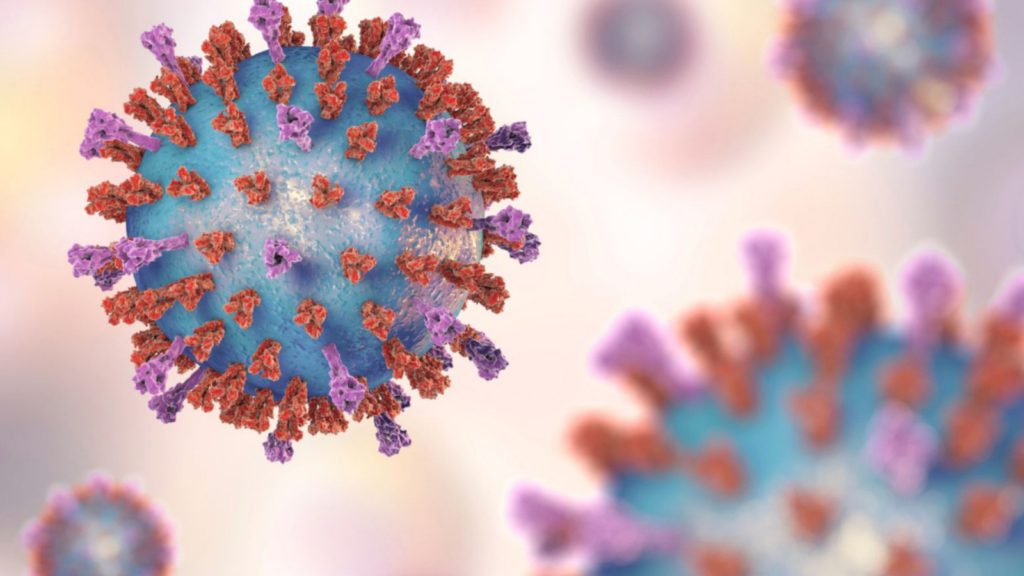
A new EU-funded project that aims to develop the world’s first breathable treatment for Nipah virus infection has officially launched this month (1 September 2026).
Over the next six years, the Horizon-funded initiative, HENIPROTECT, will bring together 18 partners across eight countries to tackle one of the most concerning emerging infectious diseases.
Nipah virus is a highly dangerous virus carried by fruit bats, which can host the virus without becoming ill themselves. These bats are widespread across parts of South-East Asia and Australia.
While the virus usually spreads from animals to humans, it can also pass between people. This raises important concerns about possible future pandemics and preparing for them.
Outbreaks tend to occur in rural or farming areas. Symptoms include fever, headache, muscle pain, cough and difficulty breathing. The infection can be severe and lead to death in up to 75 out of every 100 people who catch it.
The World Health Organization (WHO) has classified Nipah virus as a ‘priority infectious disease’ and included it in its ‘Blueprint list’. This list highlights infectious diseases that pose the greatest risk to global health because they have the potential to cause major outbreaks or epidemics, and we currently lack adequate vaccines, cures, or treatments to stop them.
Currently, there are no licensed preventions or treatments available – but the HENIPROTECT project aims to change this.
Supporting the European Union’s priorities to strengthen health security and prepare for potential future pandemics, HENIPROTECT aims to develop a new antibody treatment for the Nipah virus delivered by inhalation. This means it is delivered straight to the lungs by breathing it in.
Antibodies are proteins the body makes naturally to fight off infections. When a virus or bacteria enters the body, antibodies recognise it and stop it from causing harm. An antibody treatment provides ready-made antibodies instead of waiting for the body to make its own.
The project will:
The European Lung Foundation (ELF) will lead public-facing activities in the project and will be responsible for translating the scientific results into lay language for patients, carers, and the general public through various communication platforms. The European Respiratory Society (ERS) will lead scientific dissemination and overall communication planning. Through Lungs Europe, ELF and ERS will lead advocacy efforts, working to ensure Nipah virus remains on the EU health agenda.
Overall, the project will not only deliver a crucial treatment for Nipah virus, but also establish a valuable blueprint for responding rapidly to future respiratory viral threats, in particular to other viruses of the same Henipavirus genus, like highly pathogenic Hendra virus.
Funded by the European Union (Grant Agreement 101286662). Views and opinions expressed are however those of the author(s) only and do not necessarily reflect those of the European Union or the European Commission. Neither the European Union nor the granting authority can be held responsible for them.