Learn how ELF’s Patient Advisory Groups (PAGs) are advocating for better health and catch up on their latest activities.
ELF supports 12 Patient Advisory Groups (PAGs), each focused on a specific lung condition. These groups bring together people with lived experience of lung conditions, carers and patient representatives. They work alongside healthcare professionals and researchers to ensure patient perspectives are included in research, clinical trial design and healthcare initiatives.
The ELF PAGs support a variety of projects and initiatives, such as:
To learn more about their activities, hover or tap on the images below.
ELF has launched an Alpha‑1 PAG for people living with alpha‑1 antitrypsin deficiency (AATD), their caregivers and patient advocates.
The group aims to improve awareness, diagnosis, treatment and care for AATD, ensuring that patient experience informs future research and resources. Members will work closely with researchers, healthcare professionals and patient organisations across Europe.
A key partner is European Alpha‑1 Research Collaboration (EARCO), a European Respiratory Society (ERS) CRC focused on improving understanding and early diagnosis of AATD. Through this collaboration, PAG members will help shape research priorities so that future work better reflects patient needs.
A major focus for the Aspergillosis PAG has been the development of a “Living with Aspergillosis” guide. Shaped by patient experience, the guide will provide practical advice that goes beyond clinical information and reflects the realities of living with the condition. It covers topics such as managing side effects, navigating care, returning to work, maintaining wellbeing and practical advice for travel and treatment planning. The group hopes to publish the guide in summer 2026.
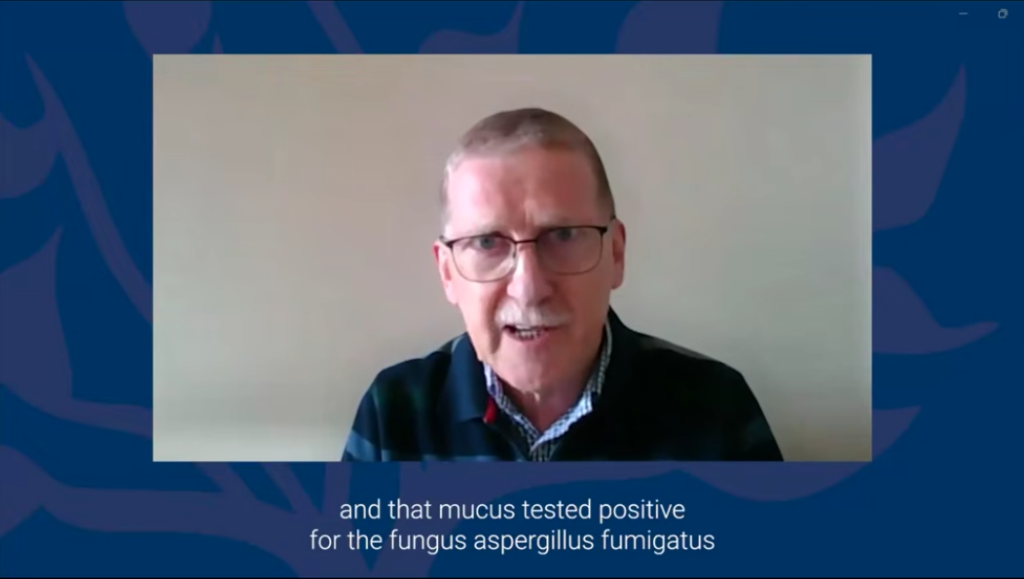
Tom Bermingham took part in the Bronchiectasis Patient Conference 2026, sharing his experience of living with bronchiectasis and recurrent infections. As a part of this discussion, he highlighted the importance of considering aspergillosis in people living with bronchiectasis, as it can often play a role in ongoing symptoms and infections.
Looking ahead, the group is beginning early planning for World Aspergillosis Day in February 2027.
Asthma PAG members are involved in multiple ERS task forces and the SHARP CRC, focusing on topics including asthma in pregnancy, work-related asthma and severe asthma in older people. This work ensures research and clinical guidance reflects the needs of people at different stages of life.
A key piece of work is a survey led by PAG member and SHARP patient co‑chair, Hilary Hodge, exploring how parents manage family life while managing a chronic condition. The survey aims to identify gaps in support and inform future resources for patients and carers.
The group also welcomed two new members, Charlotta and Jane. They joined after attending the Severe Asthma Patient Conference in November 2025 and have since contributed to discussions on research priorities.
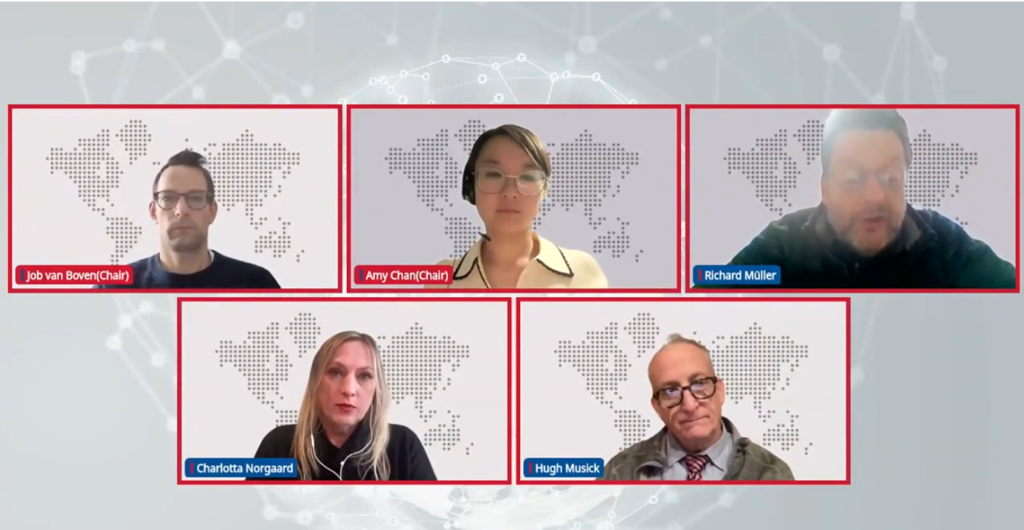
Members took part in an ERS webinar panel on decentralised clinical trials, sharing patient perspectives on issues including accessibility. They are also contributing to publications from SHARP projects co-developed with patients, following patient-identified priorities such as comorbidities and the needs of older people with severe asthma.
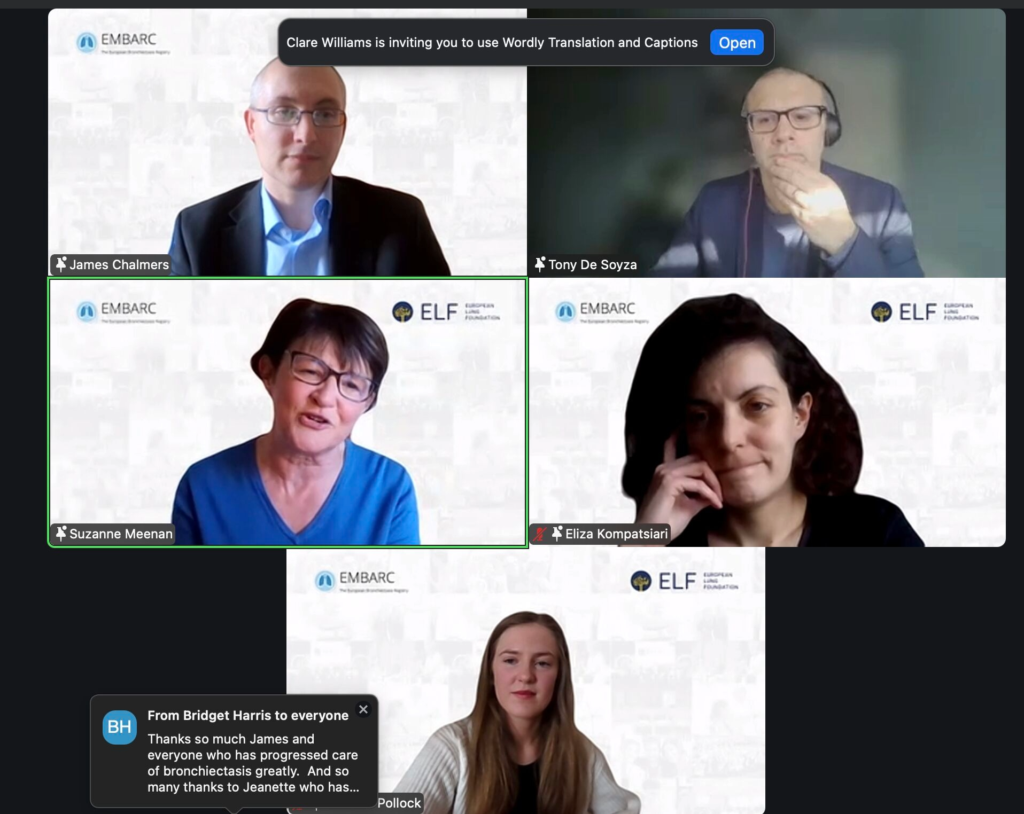
The 6th annual Bronchiectasis Patient Conference, held with the EMBARC CRC in March, was the group’s largest event to date. The conference had record registrations and strong engagement between patients, researchers and healthcare professionals who attended.
The group contributed to the ESCAPE trial management meeting and ongoing work with EMBARC, helping shape how studies are designed and delivered.
A new resource, the Sputum guide was published on the ELF website earlier this year to support people in managing sputum (or mucus) clearance.
The group also contributed a patient perspective chapter to the ERS Bronchiectasis Monograph, which is now available.
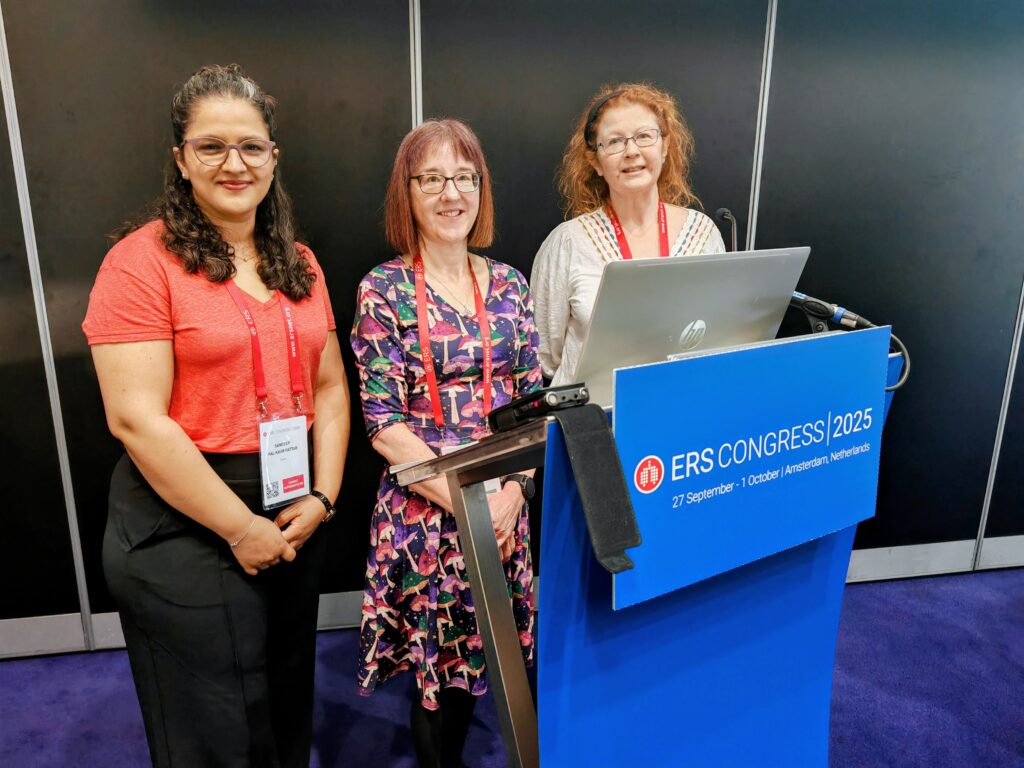
Two members, Caroline and Sandeep, are part of an ERS task force reviewing how chronic cough is defined and classified in adults, supporting recognition of it as a condition rather than only a symptom.
Looking ahead, members are preparing to take part in the upcoming ERS Cough Conference in July. The conference will provide a platform for researchers, clinicians and patients to exchange perspectives on the latest developments in chronic cough as a condition.
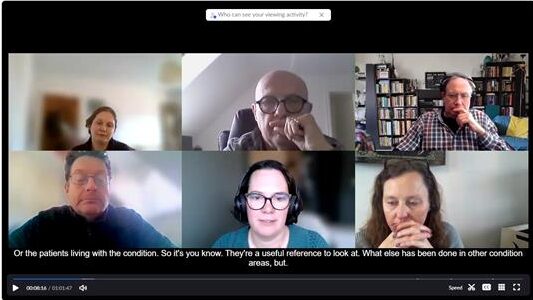
The COPD PAG is involved in two ERS task forces and the EU project, EU PAL-COPD, which focuses on improving access to palliative care for people with advanced COPD across Europe.
Earlier this year, members took part in a COPD clinical practice guideline group and a task force meeting to develop a core outcome set for COPD, helping ensure patient priorities were considered in how care and research are designed.
The group is also working on a self‑care guide for people living with COPD. The guide will provide practical guidance on symptom management, staying active and maintaining mental wellbeing. The guide is expected to launch in summer 2026.
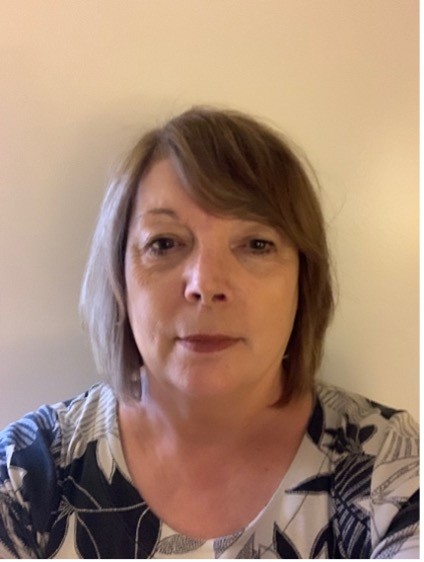
PAG member, Janette, represented the group on an ERS task force developing guidelines on the management of findings from CT lung cancer screening, ensuring the patient perspective is included in how results are communicated and handled. She also contributed to a lay summary of the guidelines developed to help patients and the public better understand the guidelines. She will share her experience with the task force in an upcoming Guidelines in Focus video.
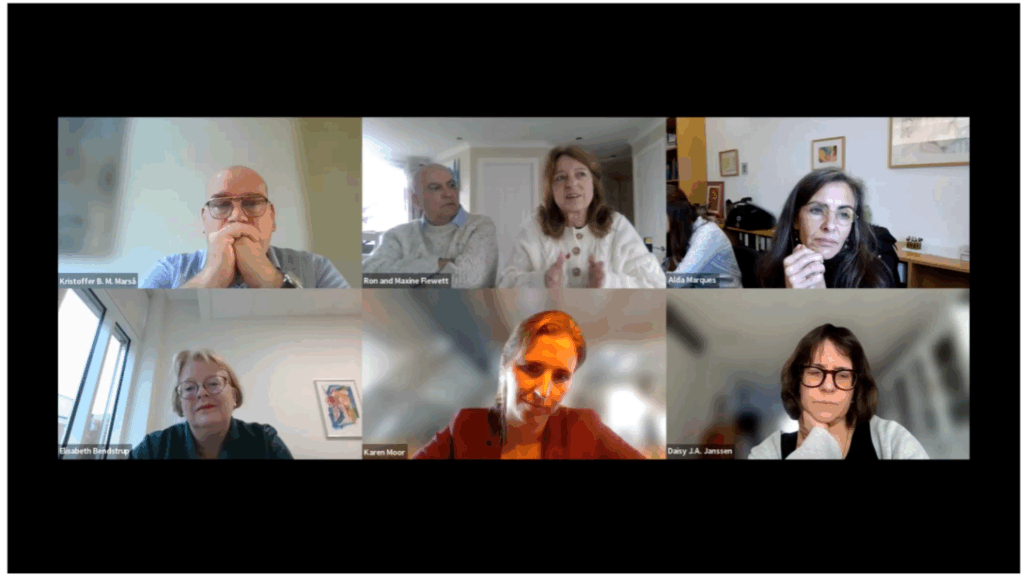
A key area of work for the Pulmonary Fibrosis (PF) PAG this year has been the development of a transplantation country guide, providing accessible information on access to lung transplantation in different countries. This includes a survey to better understand patient experiences and identify differences in care and support.
The group is also supporting an ‘Access to Oxygen’ report, which highlights the importance of oxygen therapy for daily life and quality of care. The group plans to publish the report in September for PF awareness month.
Hall Skaara attended the ERN-Lung annual meeting in Paris, engaging with research initiatives, including the PHAROS CRC, which aims to improve and standardise care across Europe. Hall has also published an article sharing his experience of living with pulmonary hypertension, reflecting the broader role of PAG members in raising awareness and improving understanding of the condition.
PAG members are also supporting the PH Academy, with PHA Europe and the Alliance for PH. This online learning initiative for expert patients will launch later this year.
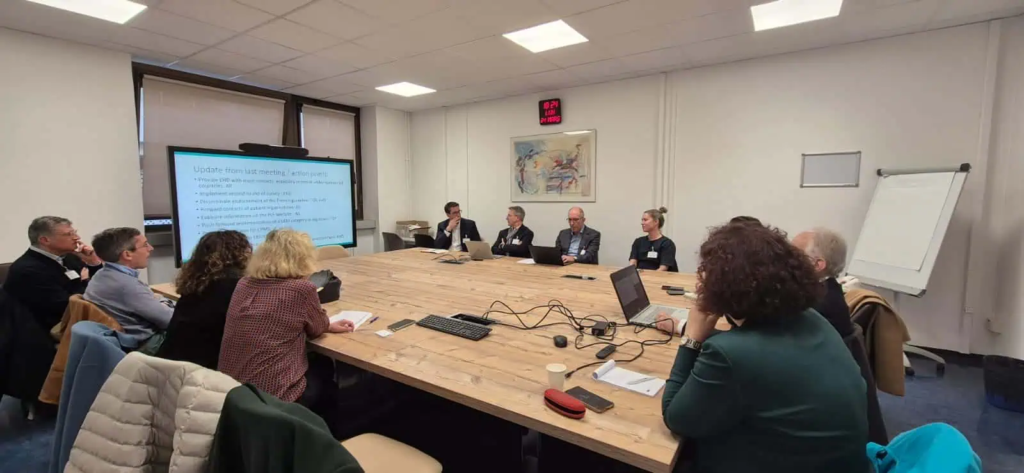
The group has been involved in the AIR‑SARCOIDOSIS study, which explores how artificial intelligence (AI) tools can support research. Members were asked to come up with questions about their condition. These questions were then entered into a variety of AI tools. The answers received were assessed by the experts for accuracy and comprehensiveness and the patients also reviewed the answers for understandability.
Members also took part in discussions at the ERN‑Lung annual meeting in Paris, including topics such as extreme tiredness in sarcoidosis, helping bring everyday symptoms into research and clinical discussions.
The group is involved in the SARCOIDOMICS CRC, a Europe-wide research network studying sarcoidosis using data from large groups of patients across multiple centres. PAG members support patient engagement activities and help ensure the research reflects the experiences and priorities of people living with sarcoidosis.
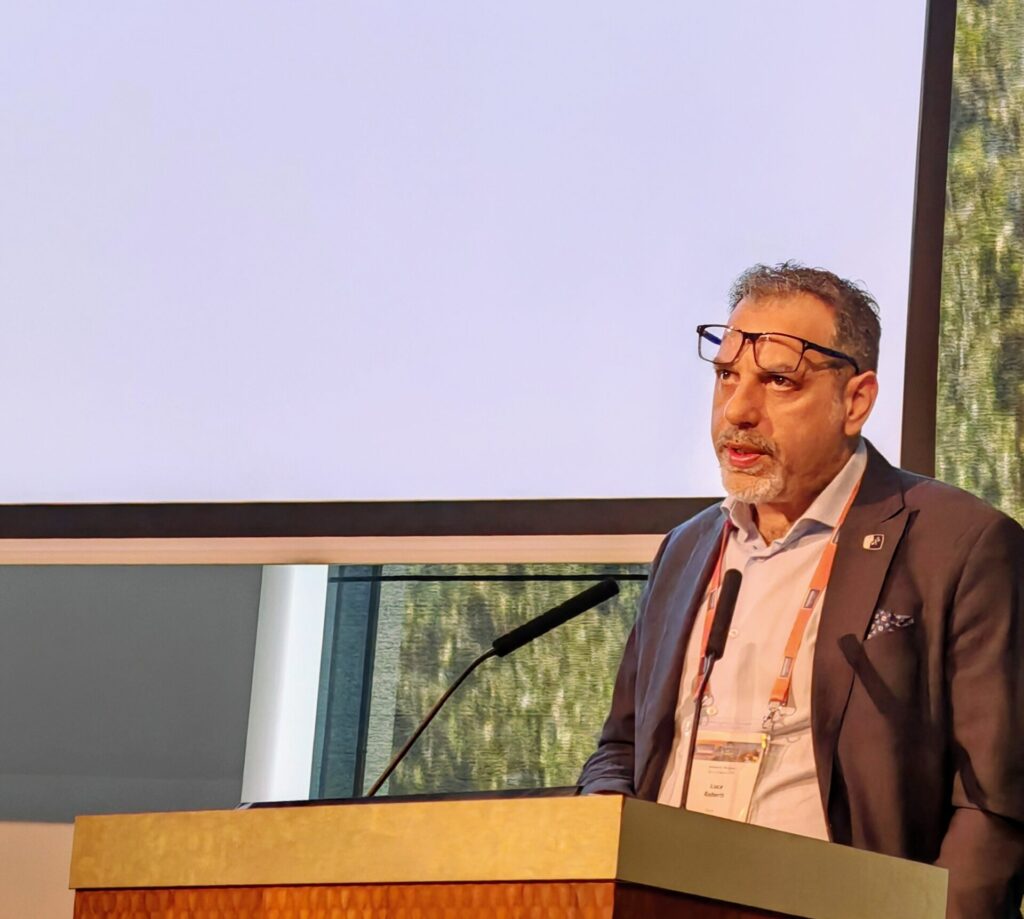
A PAG member conducted an interview with a clinician to explore recent developments in diagnosis and treatment. In the interview, they discussed the benefits of continuous positive airway pressure (CPAP) therapy and its impact on heart health, as well as the role of lifestyle changes such as weight loss in managing the condition.
Luca is contributing to a task force developing guidelines on the use of CPAP for the treatment of adult obstructive sleep apnoea. He will share his experience with the task force in an upcoming Guidelines in Focus video, highlighting patient involvement in ERS guideline development and research.
The ELF team would like to say a huge thanks to all of our patient advisory groups and those who have supported their activities in the last year. Your work ensures that people living with lung conditions can play an important and central role in respiratory care and research.
If you are interested in joining a Patient Advisory Group or would like further information, please get in touch at info@europeanlung.org.
If you are interested in getting involved with patient involvement and advocacy, sign up to our free, online, self-learning programme, the European Patient Ambassador Programme. EPAP introduces patients and carers to some of the basic skills and knowledge needed to represent yourself and others successfully.