An upcoming ERS webinar will mark the launch of the updated Lancet Commission on COPD, bringing together people living with COPD, healthcare professionals and researchers to discuss its key findings and what they could mean for the future of prevention, diagnosis and care.
On 11 November 2026, the European Respiratory Society (ERS) will host an educational webinar marking the launch of the updated Lancet Commission on chronic obstructive pulmonary disease (COPD). The event will explore why an update is needed, what new evidence tells us about how COPD develops, and how a greater focus on prevention, earlier diagnosis and patient-centred outcomes could help improve lung health worldwide.
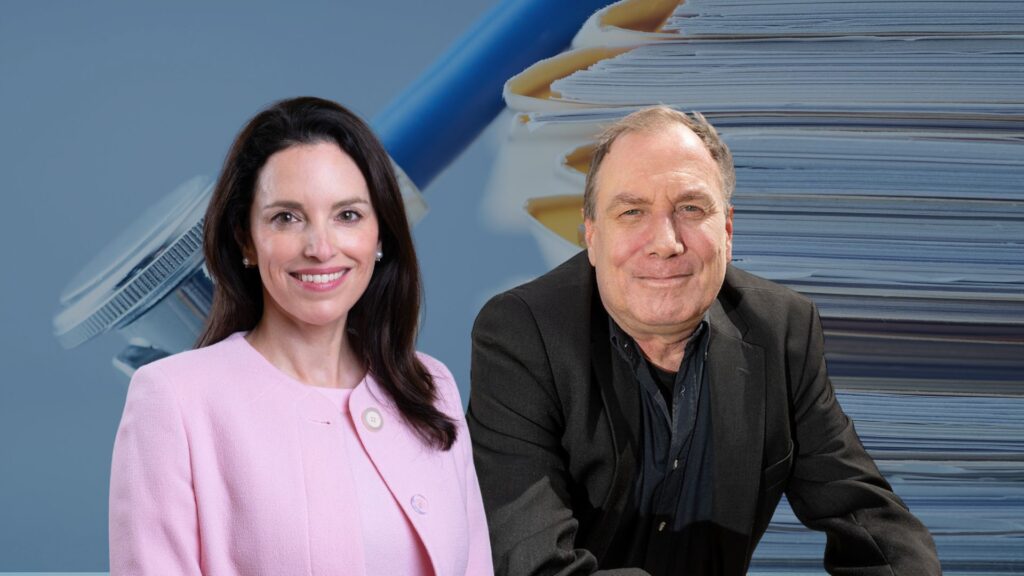
Ahead of the webinar, we spoke to COPD patient advocate Pieter van Eck and respiratory physician Professor Dr Daiana Stolz about the challenges facing people affected by COPD, the importance of patient involvement and the opportunities for change highlighted in the updated Commission.
Pieter van Eck is a COPD patient advocate from the Netherlands and a member of the European Lung Foundation (ELF)’s COPD Patient Advisory Group and the Dutch Lung Foundation (Longfonds). He has been involved in COPD research and patient advocacy for more than seven years, including serving as chair of the Patient Advisory Committee for the Breathe Accelerate lung regeneration research consortium.
I am 63 years old and was first diagnosed with severe COPD in 2016 after a long period of what I thought was a regular case of influenza. After more than three weeks, I was admitted to hospital with double pneumonia and learned that my lungs were functioning at just over 25% of their normal capacity.
I had smoked on and off from the age of 13, worked as a taxi driver for over 14 years and lived a rather sedentary lifestyle. As a child, I had asthma and mild hay fever, and later in life I learned that my mother had experienced breathing difficulties as a child. I now think a combination of factors may have contributed to the decline in my lung health.
Living with COPD has changed my life, but it has also motivated me to become involved in advocacy and research.
COPD affects people in different ways, and everyone living with COPD will tell a different story. However, there are also many similarities. Breathlessness is one of the main issues. It affects mobility, causes severe muscle fatigue, and can have a major impact on mental health, leading to anxiety, depression and, in some cases, people becoming bedridden.
Stigma also remains a challenge. Many people still feel blamed for their condition. Then there is the relentless lobbying of the tobacco industry, which still wants to get young people addicted to vaping and eventually smoking. At the same time, we need stronger action to prevent future generations from developing COPD.
I have always believed that you have to speak up for your rights. So, when I was diagnosed with COPD, I started donating to the Dutch Lung Foundation (Longfonds), but felt I could do more. When Longfonds put out a call for people with lived experience to get involved, I did not hesitate and applied.
I am often asked to participate in the early stages of research, before grant applications are submitted. Just a year ago, I contributed to plans for a clinical trial that would include people with severe COPD. I convinced the research group that many people would be reluctant to take part, so we changed the study design.
My main objective with the talk is to raise awareness of the daily burden people with COPD experience and the importance of working together with patients in both research and clinical practice to help reduce that burden. Finding a cure remains my biggest dream.
It would be my biggest dream to finally eradicate COPD, although I know that may be a pipe dream. Finding a cure, or at least a treatment that can stop the progression of this debilitating disease, would be the next best thing. On a more personal level, I would also like to see something that helps reduce the muscle fatigue that stops me being more physically active.
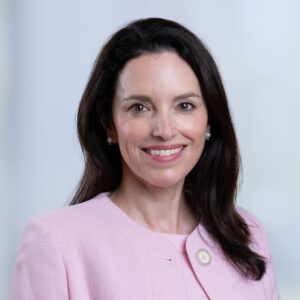
Professor Dr Daiana Stolz is Professor of Pulmonology and Head of Respiratory Medicine at the University Medical Centre Freiburg, Germany. She is actively involved with ERS, having contributed in roles including the ERS Education Council and chairing clinical guideline groups. She works to advance research, early diagnosis and patient-centred care for people living with COPD and other lung conditions.
I am a respiratory physician, researcher and Professor of Pulmonology, and I lead the Department of Respiratory Medicine at the University Medical Centre Freiburg in Germany.
My research begins with questions that arise from caring for patients, with the aim of translating scientific discoveries into better care. What I value most about ERS and ELF is how they bring together healthcare professionals, researchers and people living with lung conditions. That connection helps us ask better questions and turn scientific progress into better care.
The original Commission, published in 2022, challenged us to think differently about COPD. It emphasised that the disease has many causes beyond smoking, including impaired lung development, early-life infections and environmental exposures. It also made a central point: we need to recognise disease earlier, before substantial, irreversible damage has occurred.
Since then, evidence has continued to grow about people who have symptoms or signs of lung damage without meeting the traditional criteria for COPD. The update allows us to assess this evidence and consider what should happen next in research, clinical practice and public policy to better protect lung health throughout life.
One of our biggest challenges is that we often recognise COPD too late. By the time the diagnosis is made, substantial damage may already have occurred. Although treatments can help improve symptoms, prevent exacerbations and, in some cases, improve survival, we cannot yet reverse the damage that has already occurred.
Prevention also needs much greater attention: supporting people to stop smoking, reducing air pollution and harmful workplace exposures, and protecting lung development from childhood onwards.
Access remains another major challenge. Too many people cannot obtain a timely diagnosis, affordable inhalers or pulmonary rehabilitation. Scientific progress matters enormously, but so does making effective care available to the people who need it.
And throughout this, we need to move beyond blame. Everyone living with COPD deserves to be heard, supported and treated with respect.
It means that the biological changes leading to COPD can begin before they appear on standard lung function tests (spirometry). Damage may already be developing in the airways and lung tissue, even when someone does not yet meet the conventional criteria for COPD.
Spirometry remains essential, but it cannot tell us everything. A person’s symptoms, exposure history and other findings also matter. The aim is to identify meaningful changes earlier, understand who is at risk of progression and establish which interventions can help. We should not have to wait for someone to become severely breathless or require hospital treatment before taking their lung health seriously.
I am encouraged by what medicine has already achieved. Advances in HIV treatment, cystic fibrosis and lung cancer have changed lives in ways that once seemed beyond reach. Those achievements remind us how much can become possible through sustained research and collaboration.
In COPD, we are learning more about how the disease begins, why it progresses differently in different people and how treatment can become more individualised. Just as importantly, people living with COPD are helping shape that work.
People living with COPD understand aspects of the disease that no laboratory test can capture: what it means to plan your day around breathlessness, worry about another exacerbation or give up an activity you love. Their experience helps us recognise what matters most in daily life. By involving patients from the beginning, we can design more relevant studies, develop more useful guidelines and make better healthcare decisions. ERS and ELF create opportunities for that partnership.
I believe we should keep the ambition of eliminating COPD, while making meaningful improvements for people living with it today. What gives me hope is that we understand more than ever before and that patients, healthcare professionals, researchers, policymakers and industry partners can work together to turn this knowledge into better care and better lives.
Reframing progress in COPD: from elimination to population lung health will take place online on 11 November 2026 from 15:00–16:00 CET.
Chaired by Dr Marc Miravitlles, the webinar will feature presentations from Pieter van Eck, Dr Sabine Kleinert, Professor Dr Daiana Stolz and Dr Mark Dransfield, followed by a panel discussion and audience Q&A.
The event will explore why COPD remains a major global health challenge and how the updated Lancet Commission could support earlier prevention, improved diagnosis and outcomes that matter to people affected by the disease.
Patients, carer and patient organisation representatives can attend ERS webinars for free. Please contact info@europeanlung.org to register.