Airway clearance techniques: supporting daily management of bronchiectasis
Content Table
On World Bronchiectasis Day at 12.00 BST/13.00 CEST we held a special Question Time webinar featuring a panel of experts, including physiotherapists and individuals living with bronchiectasis. The panel explored the theme “Airway Clearance” by answering questions submitted by our Bronchiectasis Patient Advisory Group (PAG) and attendees.
Topics included:
This free webinar was intended for people living with bronchiectasis and their family members or caregivers.
This webinar took place on World Bronchiectasis Day on 1 July. 
Find out more about how global partners are raising awareness of bronchiectasis and for other upcoming events.
This document shares the questions and answers that we did not have chance to cover during the live webinar. This information is for general purposes only and does not replace medical advice. If you have personal health concerns, please consult a healthcare professional.
Q: Are there other PEP or OPEP devices available if the one I currently use is no longer available?
A: Several other devices may be suitable. While the devices differ in their design and how they generate resistance or oscillations, there is no strong evidence that one device is consistently more effective than another for everyone with bronchiectasis. If you need to change devices, your respiratory physiotherapist can help you select one that is appropriate for your needs and ensure you know how to use it correctly. The best choice will depend on factors such as your symptoms, ability to use the device, comfort, and personal preference. Furthermore, if you change to a new device, it is important to receive instruction on its correct use and cleaning. If you already use a device that you find effective for your airway clearance, but it is no longer available, speak with the supplier you purchased it from or the respiratory physiotherapist who recommended it. They can advise you on a similar device that is appropriate for your needs and show you how to use it correctly. It is best to consult your respiratory physiotherapist but you can also find information here: Positive Expiratory Pressure Therapy – Bronchiectasis
Q: Please tell about high-frequency chest wall oscillation (HFCWO) – is this therapy good for all patients with bronchiectasis?
A: These are devices that strap to the patient’s chest. They provide vibrations and compressions to the patient’s chest to try and loosen phlegm. They are a passive method of airway clearance; however, the patient would still be required to “huff” and then cough so they can expectorate their mucus. There is no evidence that these are better for patients with bronchiectasis in comparison to other airway clearance devices. They are significantly more expensive than other airway clearance devices. There are many different manufacturers each of which have slightly different mechanisms of action.
Q: Can / does Aerobika cause haemoptysis?
A: Aerobika (or any other OPEP device) does not directly cause haemoptysis. In Bronchiectasis haemoptysis is typically caused by repeated or severe chest infections leading to damage in the cells of the airways which can leak a small bit of blood into the mucus. This typically self resolves and sometimes requires a course of antibiotics. Because Aerobika (and all OPEP / PEP devices) causes an increase in the pressure inside the lungs, this can lead to further irritation of the airways resulting in some blood being leaked into the mucus. It must be stressed, this is rare. Very few studies have reported this. However, this is often why physiotherapists would recommend patients to let the haemoptysis resolve and perform an alternative airway clearance technique, before going back to using their OPEP device.
Q: What do you feel is the most effective airway clearance recipe for bronchiectasis patients?
A: A common statement from physiotherapists is “the most effective airway clearance technique is the one the patient performs regularly”. As mentioned before different characteristics of bronchiectasis (pulmonary function tests, mucus properties, patient’s ability and CT scans) will play a role in deciding which one is best for that patient. What’s important is that the patient is engaged in the conversation and is involved in deciding which one they are happy to commit to. These conversations should include the opinions of the physiotherapist, the characteristics of the patients bronchiectasis, but also the things that are meaningful and valuable to patients. This can be something as simple as preference of a particular type of airway cleaning technique.
Q: Tips on adapting Airway clearance technique while considering the patient, patients CT scan, PFTs, sputum please
A: Yes. Many physiotherapists may choose an airway clearance technique aimed at moving mucus from the small airways if the CT scan shows mucus in these airways. Examples of such techniques may include autogenic drainage. This is a breathing exercise using very small breaths initially and then building up to larger breaths to clear the sputum. Another example is Slow Expiration with an Open Glottis in the Lateral Posture or ‘ELTGOL’. Again this is a technique using low level breathing targeting mucus in the small airways.
Patients who have very thick mucus despite optimal pharmacotherapy (medicines to help thin the phlegm) may find that oscillating positive experience devices can help “sheer” the mucus from the airways more easily in comparison to airway clearance techniques that do not have devices. Again, there is little data to support this.
Pulmonary function tests can be useful as well. Often physiotherapists require a specialised version of these which show something called a “flow volume loop”. This can allow us to assess things such a dynamic airway collapse. We can also see how quickly a patient’s medium sized airways close down. As physiotherapists we would modify parts of certain airway clearance techniques such as the “huff” to try and keep those medium airways open for as long as possible to allow mucus to clear. Alternatively, we might give a positive expiratory pressure device, again to keep the airways as patent / open as long as possible to allow the mucus to come to the large the larger airways so they can be coughed out.
Q: What about airway clearance methods for people with mobility issues or other health diagnoses that make traditional exercise challenging?
A: Exercise has benefits in bronchiectasis, but it is not, by itself, considered an airway clearance technique, and the evidence that it can replace airway clearance therapy is limited. As we presented in this webinar, the best airway clearance method depends on your lung condition, symptoms, mobility, and any other health conditions you have. A respiratory physiotherapist can assess your needs and recommend the safest and most effective approach for you. Airway clearance techniques can usually be adapted for people with mobility limitations or other health conditions that make some techniques difficult. An appropriate approach may be Positive expiratory pressure (PEP) devices or oscillating PEP devices.
Q: With tortuous blood vessels from years of infection & hemoptysis is there any technique to clear mucus which doesn’t irritate?
A: In many cases, airway clearance can still be performed, but the technique may need to be modified to reduce irritation and minimise the risk of further bleeding. As physios, we usually recommend that, during or soon after an episode of haemoptysis, you temporarily change or stop some airway clearance techniques until it is safe to resume them. Once the bleeding has settled, we can advise on the most appropriate technique and how to perform it gently. On the other hand, if you cough up a large amount of blood, or if bleeding is persistent or recurrent, please seek urgent medical attention.
Current bronchiectasis guidelines do not support one technique over another solely based on a history of haemoptysis. The decision depends on the severity of bleeding, the underlying cause, and specialist assessment.
Q: Chest clearance for patients who have compression fractures in their thoracic spine?
A: External mechanical techniques—such as manual chest percussion, vibration, chest wall compression, and high-frequency oscillation vests—are strictly contraindicated over osteoporotic or fractured bone. Traditional postural drainage requiring head-down tilt (Trendelenburg) or spinal flexion must also be avoided to prevent further structural stress.
The interventions that are recommended are Active Cycle of Breathing Techniques (ACBT) and Autogenic Drainage (AD). Relying entirely on patient-controlled internal airflow and varied lung volumes to shear mucus off airway walls, mobilizing secretions without requiring external thoracic impact.
Q: How to do postural drainage when you also have GERD?
A: For people with GERD, airway clearance should usually prioritise techniques that avoid reflux-provoking positions. Autogenic Drainage and the Active Cycle of Breathing Technique (ACBT) are preferable to traditional postural drainage because they can be performed without a head-down position and have stronger evidence-based support in bronchiectasis.
However if you choose to use postural drainage as part of your airway clearance regime be aware that the head-down tilt position is not recommended in patients with GERD . The head-down angle actively promotes the retrograde flow of gastric contents, significantly increasing the risk of pulmonary micro-aspiration, which drives further inflammation and exacerbations in bronchiectasis. Instead, utilize modified postural drainage where the patient is positioned completely flat (horizontal) or in a slightly elevated semi-recumbent position while side-lying.
Whenever possible, airway clearance should be performed in a seated position. Gravity should be used to keep gastric contents down, relying on other mechanisms to move pulmonary secretions up.
Sputum clearance sessions should never be performed immediately after eating. Patients must wait a minimum of 1.5 to 2 hours post-prandial before initiating any chest physiotherapy or forced huffing, as increased intra-abdominal pressure during coughing easily triggers reflux.
Q: What is the Efficacy of hypertonic saline, dosage. It gives me bronchial spasms even with albuterol. Not sure it’s worth it.
A: Inhalations of hypertonic saline (5ml once or twice daily of a 6 or 7% salt solution) have been tested in patients with bronchiectasis. No single study has found that it has a clear advantage over airway clearance alone, but pooled studies with a large number of patients suggested that it does. That saying, some people find it difficult to tolerate 6 or 7%. In that case, I advise reducing the concentration to 3% or 0.9%.
Q: How do nebulising and silent reflux relate to airway clearance methods?
A: Depending on what product is being nebulised this can support airway clearance. For example, hypertonic saline (this is a type of salty water aimed at hydrating the mucus) is often used before performing airway clearance. Nebulised antibiotics however are typically performed after airway clearance. This is because it’s important to try and clear the chest as best as possible so that there is more room for the inhaled antibiotics to go deeper into the chest to provide their therapeutic effect.
Reflux is associated with increase exacerbations in bronchiectasis. Certain techniques may need to be modified if a patient has severe reflux. For example, the ‘huff’ technique often encourages the abdominal walls and muscles around the rib cage to squeeze. If this is done too aggressively this can sometimes cause further reflux for patients particularly after meals. In this case, a slower gentle huff is encouraged, or the patient is advised to do their airway clearance 1) before they have a meal or 2) two to three hours after they have had their last meal.
Again, patients with severe reflux are often encouraged to avoid any postural drainage (this is when the patient puts themselves into different positions to target moving because in certain lobes in their lungs).
Q: What is the difference for airway clearance between walking outside and cycling outdoors?
A: There is no strong evidence that walking outdoors or cycling outdoors is better than the other for airway clearance in people with bronchiectasis. Both forms of physical activity can help you stay active, improve fitness, and may help loosen mucus, but they should not be considered a replacement for your prescribed airway clearance technique unless advised by your physiotherapist. If you notice that one activity helps you cough up mucus more easily or if you feel more comfortable, it may be the better option for you. If exercise consistently causes significant breathlessness, chest pain, dizziness, or coughing up blood, stop the activity and seek medical advice. A simple thought from my part is that walking may be easier to adjust to your own pace and can be a good option if you have balance concerns or you are new to exercise. Cycling may allow you to exercise for stronger with less impact on your joints (with exception of knee osteoarthritis of other knee pain cause), although it may not be suitable for everyone.
Q: What’s more important: hypertonic inhalation, breathing exercises, or gymnastics?
A: Current clinical guidelines identify breathing exercises (airway clearance techniques) as the most critical foundational therapy for bronchiectasis to mobilize secretions and prevent exacerbations. Hypertonic saline inhalation acts as a valuable pharmacological adjunct, actively hydrating and lowering the viscosity of sputum to make those breathing exercises more effective. Gymnastics and generalized aerobic exercise provide significant systemic benefits for exercise tolerance and quality of life, but evidence shows they cannot replace targeted airway clearance.
Optimal management relies on a sequential approach: administering hypertonic inhalation first to loosen mucus, followed immediately by breathing exercises for expectoration. Therefore, while breathing exercises remain the essential anchor of daily care, integrating all three modalities yields the most comprehensive improvement in respiratory function.
Q: How should I do airway clearance in hot weather? Is there any issue with doing it in air conditioned rooms?
A: I am afraid that there is very little direct evidence on this. Because hot weather can increase fluid loss through sweating, staying well hydrated may help keep mucus easier to clear. So, I will give some practical recommendations: a) perform your airway clearance in a cool, comfortable environment. Using air conditioning is generally not a problem for airway clearance, b) drink enough fluids throughout the day, unless you have been advised to restrict your fluid intake for another medical condition, such as heart failure or urine disease, c) take breaks if you become overheated or feel unwell, d) If you find that cool or dry air makes you cough or irritates your airways, you may find it more comfortable to adjust the temperature or humidity, or avoid directing cold air straight onto your face.
Q: With so many daily demands of recommended interventions, is there a top 2 or 3 that someone pushed for time should focus on?
A: Not necessarily. Most techniques can be performed longer or shorter depending on the patient. The techniques that often require more time are autogenic drainage and ELTGOL. Techniques such as the active cycle of breathing, any PEP or OPEP device can be used as short or long as the patient wishes. What we (physiotherapists) try to make clear is that often if techniques are rushed, each step may not be optimised and therefore patients may not receive or feel the benefit of these techniques. The balance between the burden of treatment and desire for improved outcomes is something that the patient and physiotherapist need to discuss during their consultation.
Q: How airway clearance techniques differ from acute to everyday skills?
A: Everyday Routine (Your “Good” Days)
The Goal: Keep the lungs clear to prevent mucus from building up and help stop infections/ exacerbations before they start.
The Habit: We recommend 1 to 2 full, structured sessions a day using your standard airway clearance methods (your PEP device or the Active Cycle of Breathing Techniques).
The Effort: combine your breathing exercises with physical activities, like walking or cycling, which naturally help move the mucus up.
Acute Flare-Ups (When You Are Sick)
During an exacerbation (a flare-up), the mucus becomes thicker, there is more of it, and you will likely feel exhausted and short of breath.
The Goal: Clear the sudden extra mucus without draining your energy or irritating your lungs further.
Shorter, More Frequent Sessions: Instead of forcing one to two long, exhausting sessions, break it up. Try doing gentle 5 to 10-minute sessions more frequently throughout the day.
Conserve Your Energy: Focus heavily on relaxed, deep breathing to get air behind the mucus. Avoid harsh, forceful coughing fits, which just tires you out. Try using the HUFF technique to help clear secretions.
PRECAUTIONS (SEEK ADVICE)
During an acute flare-up, your lungs are much more sensitive. If you feel sudden chest pain, extreme breathlessness, or experience hemoptysis (coughing up blood), stop your vigorous clearance exercises immediately and contact your doctor or respiratory physiotherapist to adjust your action plan.
Q: Can you tell me about the evidence informed airway clearance techniques so that I can teach healthcare students?
A: We, as healthcare professionals, should inform our students that current bronchiectasis guidelines recommend that people with bronchiectasis who have chronic productive cough or difficulty clearing secretions should be assessed by a respiratory physiotherapist and taught an individualised airway clearance technique. No single technique is consistently superior, so the choice should be based on the person’s symptoms, sputum volume, preferences, physical abilities, and any co-existing health conditions. Therefore, healthcare students should be taught all available devices and non-device techniques. An important teaching point is that effective airway clearance is not simply about teaching a technique. It involves assessing the patient’s airway clearance needs, selecting an appropriate method, ensuring the patient can perform it correctly, monitoring its effectiveness, and adapting the regimen over time as symptoms and clinical status change.
Q: How do you teach Autogenic drainage to those patients who cannot hear/feel their sputum?
A: Part of the training for autogenic drainage is to educate the patient on how to feel or hear their sputum. In some instances, patients who have difficult to move or thicker sputum may need to perform this technique for longer periods of time. This is often why physiotherapists and patients sometimes feel this technique isn’t working, because they have not allowed enough time breathing upper lower lung volumes to allow the sputum to move. In this event it’s often more practical and appropriate for patients to try a different technique to support their engagement and adherence.
Q: I can’t get any airway clearance techniques to work for me. Help.
A: If you are feeling frustrated because your chest clearance exercises aren’t working, there are a few proven steps you can take to make them much easier and more effective:
Q: Question for a patient: how do you know when you feel your chest is clear?
A: As a patient, I know my chest is clear when I can no longer hear any more crackles in the airway and the throat feels clear. This happens towards the end of my airway clearance exercise which lasts for about 20-30 minutes each time.

Justine was diagnosed with bronchiectasis and non-tuberculosis mycobacterial (NTM) lung disease in 2018. She wanted to share her experiences to help others in a similar situation so Justine founded the French NTM organisation MNT Mon Poumon Mon Air.
As bronchiectasis and the NTM lung disease affect people worldwide, it is important to make the voices of French patients heard in groups such as the ELF Bronchiectasis Patient Advisory Group (PAG). This gives us an opportunity to share our experiences with healthcare professionals to advance treatments and research.

Michal Shteinberg received her MD and a PhD in biochemistry from the Technion-Israel institute of technology. She trained in internal medicine and pulmonology, with a Fellowship in bronchiectasis and adult CF.
Prof. Shteinberg is Head of Bronchiectasis and Adult Cystic Fibrosis Unit, Carmel Medical Center, and the Technion - Israel Institute of Technology, the B. Rappaport Faculty of Medicine, Haifa, Israel.
She is a Clinical Associate Professor in the Faculty of medicine at the Technion, Israel Institute of Technology, and a member of the executive committee of the Israeli Society for Tuberculosis and mycobacterial diseases.
Her main research interests are bronchiectasis and its overlap with other airway diseases, mainly rhinosinusitis, and connective tissue diseases, as well as adult CF.
Prof. Shteinberg is a member of EMBARC management and heading Patient Activities Work package.
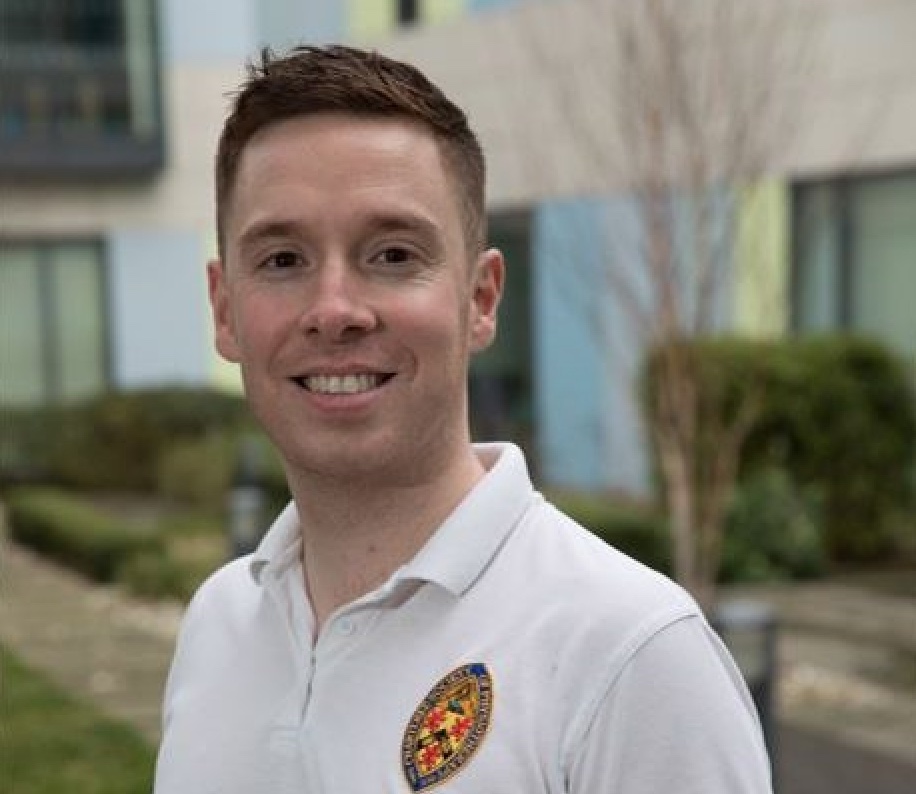
Paul is a Specialist Physiotherapist in respiratory medicine with an interest in bronchiectasis and research. He is the clinical lead for the Newcastle upon Tyne Hospitals NHS Foundation Trust Physiotherapy Respiratory Outpatient Service. Paul is currently an NIHR Clinical Doctoral Research Fellow at Newcastle University. His PhD is looking into the use of shared decision-making to support patients with their airway clearance techniques in bronchiectasis. Paul sits on the British Thoracic Society Standards of Care Committee.
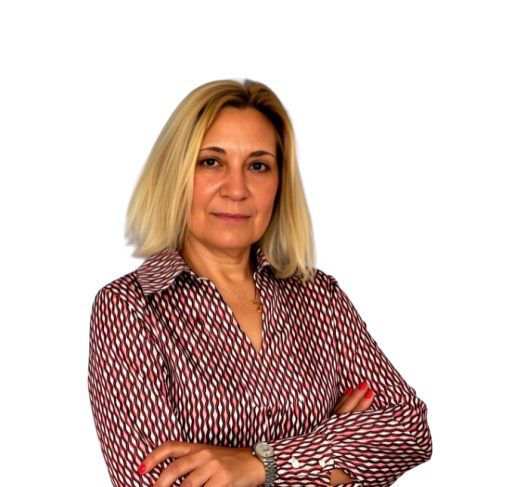
Eleni Kortianou is a Professor in Respiratory physiotherapy at the University of Thessaly in Greece. She has extensive clinical and research experience in pulmonary rehabilitation and exercise physiology, with a particular focus on chronic respiratory diseases. She currently leads a research project implementing airway clearance techniques and home-based exercise interventions in children with bronchiectasis, and she has made significant contributions to the design and delivery of remote physiotherapy programs for both adult and paediatric populations with bronchiectasis.

Irene lives in Hong Kong. She had pneumonia in 2015 and was diagnosed with bronchiectasis in late 2024. With very little local resources and no bronchiectasis patients’ advisory group, Irene turned to the Internet for more information. This was when she started her journey with the European Lung Foundation. Whilst she is still learning from healthcare professionals to manage her lung conditions, she wants to share her experience with fellow patients to help others understand the condition better.

Danielle Is a Respiratory Physiotherapist with a specialist interest in Bronchiectasis and works in the Carmel Medical Centre Bronchiectasis Clinic. She is the Lead Respiratory Physiotherapist for Carmel Medical Centre and Clalit Haifa Area. She is currently completing her Masters in Physiotherapy focusing on Virtual Respiratory Therapy in Adult Bronchiectasis.
 This event was co-developed with EMBARC, a pan-European network committed to promoting clinical research and education in bronchiectasis and the ELF Bronchiectasis Patient Advisory Group.
ELF does not charge for its events and materials. We want to make sure they are available to anybody who wishes to join or use them. To ensure we can keep doing this we ask that those who can afford to pay to make a donation.
We are grateful to everyone who supports us in this way and helps lung health patients to understand more about their condition and have their voices heard.