A summary of research published in The Lancet Public Health
Children living in areas with clean air zones show improved lung development, according to new research. The study provides the first evidence that policies designed to reduce traffic pollution can directly benefit children’s lung health.
Traffic-related air pollution is a known risk factor for lung disease and early death. When children’s lungs are exposed to poor air quality, they may not grow as well as they could. This increases their risk of asthma, chronic obstructive pulmonary disease (COPD) and other health problems later in life.
Clean air zones have been widely adopted across Europe as a way to reduce traffic pollution in cities.
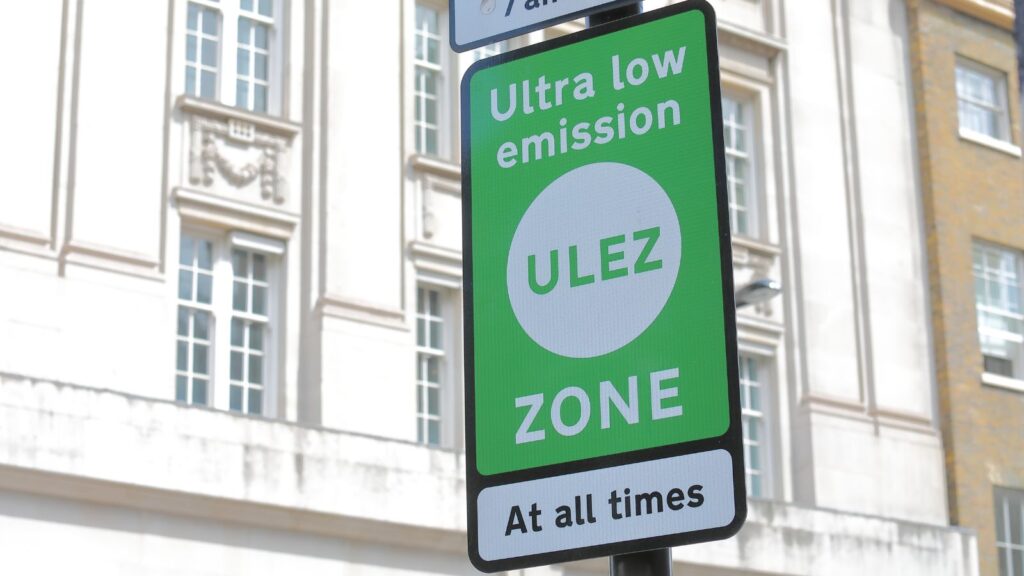
There are many low-emission zones active across European countries in major cities including Paris, Brussels, Berlin, Amsterdam, Barcelona, Milan and Warsaw. Introduced in 2019, London’s Ultra Low Emission Zone (ULEZ) is the world’s largest clean air zone.
Until now, there has been limited evidence showing whether these zones actually improve children’s lung health.
Researchers worked with children from central London (where ULEZ was implemented) and Luton, a town northwest of London with no clean air zone, as a comparison setting.
Lung function was measured each year using spirometry tests at school visits. Air pollution exposure at each child’s home address was estimated using modelling. The researchers looked at two pollutants: nitrogen dioxide (NO₂) and particulate matter (PM₁₀ and PM₂.₅).
The study was conducted before ULEZ implementation and continued for four years afterwards, allowing researchers to track changes in lung function growth over time.
Before ULEZ was introduced:
After ULEZ was introduced:
The improvements were strongly linked to reductions in NO₂, which primarily comes from vehicle exhaust emissions. Higher pollution exposure was associated with slower lung growth.
Children in cities across the continent continue to be exposed to air pollution above World Health Organization (WHO) guidelines. This research provides clear evidence on the benefits of clean air zones and children’s health. The findings demonstrate that clean air zones work, children can recover from pollution exposure and that long-term benefits are likely.
The findings are particularly relevant for Europe, where many cities are considering or implementing clean air zones.
ELF is involved in several initiatives working to protect lung health through cleaner air and lung disease prevention: