The latest webinar in a series hosted by the European Lung Foundation (ELF) and the European Respiratory Society (ERS) explored how children, young people and their caregivers can contribute to decisions about their own healthcare journeys, as well as in partnerships that help improve healthcare and research for others.
Children, young people and caregivers should be active partners in healthcare decision-making and research, according to speakers at the latest ELF and European Respiratory Society (ERS) pre-Congress webinar held on 30 July 2026.
Part of the “United for better breathing: partnership between patients, clinicians and researchers” webinar series, the session explored how partnerships between people with lived experience, healthcare professionals and researchers can improve healthcare, research and outcomes for lung disease in childhood.
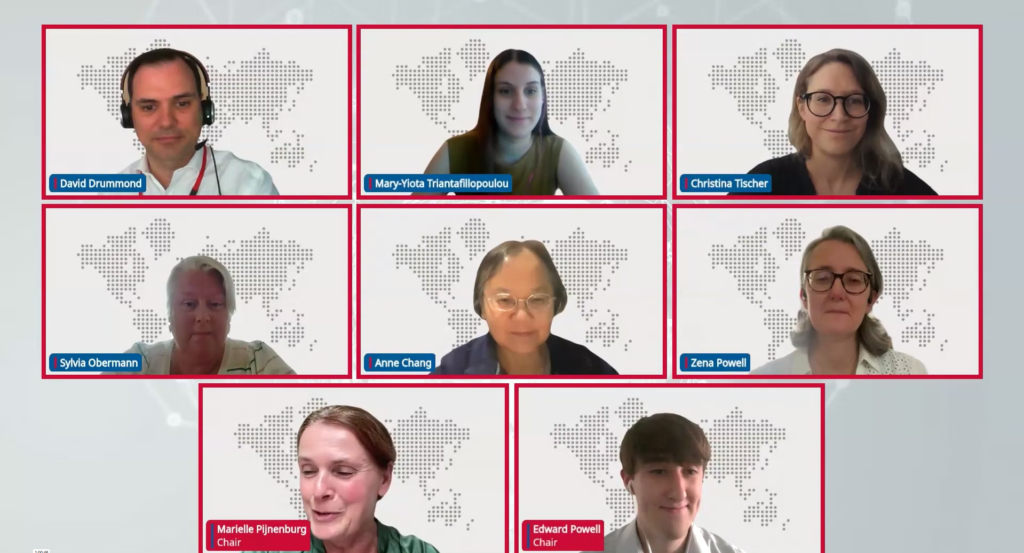
ELF representatives Ed Powell, Chair of the ELF Youth Group, his mother and parent representative Zena Powell and ELF Youth Group member Mary Triantafillopoulou shared their experiences of contributing to care, research and advocacy, including through the Children’s Bronchiectasis Advocacy Research Network (Child-BEAR-Net), an international network that brings together families, healthcare professionals and researchers to improve care and research for childhood bronchiectasis.
A recurring theme throughout the webinar was the importance of involving children and young people in decisions about their health.
Speakers highlighted that children and young people should always be offered opportunities to participate, while recognising that individuals may want different levels of involvement depending on their age, confidence and circumstances.
Mary, a young person living with severe asthma, described the difference it makes when healthcare professionals actively involve young people in discussions about their condition:
“They gave me time to think. They asked me questions about my asthma and how it affected my daily life. It made me feel like my opinion was very important.”
Her experience reflected a key message from the webinar: children and young people are experts in their own experiences and should be supported to contribute to decisions about their care.
The webinar also explored how involving people living with lung conditions and their caregivers can make research more relevant and meaningful.
Zena, whose son Ed has bronchiectasis, reflected on how involving the views of those with lived experience can change perspectives:
“When you feel it might just be a small word or a small contribution, it can actually change the way professionals think about a condition. Lived experience as a patient or a parent is just as valuable as the professor who has dedicated their academic life to the subject.”
Lived experience provides insights that are not always captured by clinical data, including quality of life, participation in everyday activities and the wider impact of lung conditions on families.
Speakers stressed that meaningful involvement goes beyond consultation. Patients and caregivers should help shape decisions throughout a project, from identifying priorities and designing studies to sharing findings, ensuring their views are listened to and acted upon.
Examples from the BronQ Family Study showed how patients and parents help shape research throughout the process, from identifying priorities to sharing findings.
Zena also spoke about the importance of feeling genuinely included rather than being consulted as a formality:
“Ed and my opinions have always been valued by those in the group. Weve never felt that we were just there to make up the numbers or that it was a token gesture.”
Throughout the webinar, speakers reinforced a common message: meaningful partnership begins when children, young people and caregivers are recognised as experts in their own experiences and given genuine opportunities to shape care and research.
“Three people together: partnerships involving children and young people and caregivers” is part of the “United for better breathing: partnership between patients, clinicians and researchers” webinar series.
Explore the series to hear more conversations on patient involvement, partnership working and how lived experience can help shape the future of respiratory healthcare and research.
United for better breathing: partnership between patients, clinicians and researchers